First-Time Pilgrim Guide to Nashik Kumbh Mela 2027
A complete beginner's guide to Nashik Kumbh Mela 2027 covering Amrit Snan dates, travel planning, accommodation, sacred temples, Godavari River ghats, pilgrimage tips, and everything first-time visitors need to know.
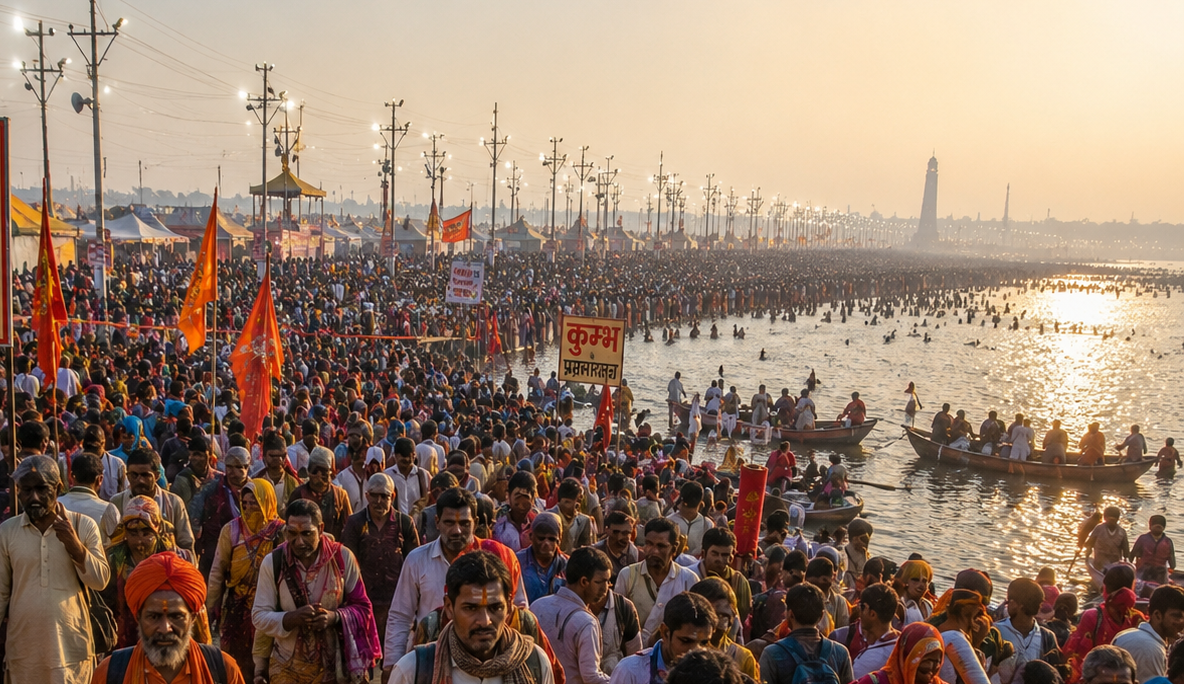
The Nashik Kumbh Mela 2027 is one of the most important religious gatherings in India and one of the largest spiritual events in the world. Every twelve years, millions of devotees, saints, Akharas, and pilgrims gather in Nashik and Trimbakeshwar to participate in sacred rituals, witness grand processions, and take part in the revered Amrit Snan on the banks of the holy Godavari River.
For first-time visitors, the scale of the festival can be difficult to imagine. Entire sections of the city transform into pilgrimage zones. Roads experience traffic restrictions, accommodation becomes limited, and sacred locations such as Ramkund, Panchavati, and Trimbakeshwar Temple witness enormous crowds.
Proper preparation can make the difference between a stressful trip and a meaningful spiritual journey. This guide has been created specifically for first-time pilgrims who want to understand the significance of the Kumbh Mela, plan their visit efficiently, and experience the festival in a safe and comfortable manner.
Whether you are visiting for the sacred bathing rituals, seeking blessings at Trimbakeshwar Jyotirlinga, exploring the holy ghats of the Godavari River, or simply wishing to understand the spiritual importance of Kumbh Mela, this guide will help you prepare for one of India's most extraordinary pilgrimages.
What Is Nashik Kumbh Mela and Why Is It Celebrated?
One of the most common questions asked by first-time visitors is: What is Kumbh Mela and why is it celebrated?
Kumbh Mela is a sacred Hindu pilgrimage associated with the ancient story of Samudra Manthan, the churning of the cosmic ocean by gods and demons. According to Hindu tradition, the struggle for the divine nectar of immortality known as Amrit led to drops of this sacred nectar falling at four locations in India:
- Prayagraj
- Haridwar
- Ujjain
- Nashik
These locations became the four official hosts of the Kumbh Mela. The festival is celebrated according to specific astrological alignments, making it one of the most significant events in Hindu spirituality.
The importance of Kumbh Mela lies in its spiritual significance. Millions of devotees believe that participating in sacred rituals and taking a holy dip during auspicious bathing days helps purify the soul and strengthen one's connection with the divine.
If you would like to understand the complete history and significance of the festival, read our detailed guide:
What Is Kumbh Mela? History, Significance & Spiritual Importance →
Why Nashik Hosts Kumbh Mela
Many visitors specifically search for information about why Kumbh Mela is celebrated in Nashik.
Nashik holds a unique place in Hindu tradition because of its connection with the Godavari River and several important events from the Ramayana. The city is home to Panchavati, where Lord Rama, Sita, and Lakshmana are believed to have spent part of their exile.
The holy Godavari River, often referred to as the "Ganga of South India," plays a central role in the Nashik Kumbh Mela. Sacred bathing rituals take place at various ghats, particularly Ramkund, which is one of the most revered pilgrimage locations in the city.
Another reason Nashik is important is its proximity to Trimbakeshwar Temple, one of the twelve Jyotirlingas of Lord Shiva. Pilgrims often combine their Kumbh Mela visit with darshan at Trimbakeshwar, making the pilgrimage even more spiritually significant.
Together, the Godavari River, Panchavati, Ramkund, and Trimbakeshwar create a unique spiritual landscape that makes Nashik one of the most sacred destinations in India.
Why Millions of Pilgrims Visit Nashik Kumbh Mela
The Nashik Kumbh Mela attracts pilgrims from across India and around the world for a variety of spiritual, cultural, and religious reasons.
- Participation in sacred Amrit Snan rituals.
- Holy dip in the Godavari River.
- Darshan at Trimbakeshwar Jyotirlinga.
- Witnessing Akhara processions and Naga Sadhus.
- Exploring Panchavati and Ramayana heritage sites.
- Attending religious discourses and spiritual gatherings.
- Seeking blessings and spiritual purification.
- Experiencing one of the largest religious events on Earth.
Important Nashik Kumbh Mela 2027 Dates Every Pilgrim Should Know
Understanding the major festival dates is essential for planning your pilgrimage. Accommodation, transportation, and crowd levels vary significantly depending on the date of your visit.
First Amrit Snan – 2 August 2027
Ashadh Somvati Amavasya. One of the most important bathing days of the festival with extremely large crowds expected across Nashik and Trimbakeshwar.
Second Amrit Snan – 31 August 2027
Shravan Amavasya. Another highly auspicious bathing day attracting pilgrims, saints, and Akharas from across the country.
Third Amrit Snan – 11 September 2027
Bhadrapada Shuddha Ekadashi. The final major Amrit Snan and one of the most spiritually significant dates of the entire Kumbh Mela cycle.
View Complete Nashik Kumbh Mela 2027 Dates & Schedule →
What to Expect at Your First Nashik Kumbh Mela
One of the biggest mistakes first-time pilgrims make is underestimating the scale of the Nashik Kumbh Mela. This is not a typical religious festival attended by a few thousand people. The Kumbh Mela attracts millions of devotees, saints, pilgrims, and visitors over the course of the festival.
During major bathing days, especially the three Amrit Snan dates, Nashik's roads, temples, ghats, and public spaces become extremely busy. Temporary infrastructure, security arrangements, medical facilities, and transportation systems are often expanded to accommodate the large number of visitors.
However, despite the crowds, the atmosphere remains deeply spiritual. Pilgrims witness devotional chanting, temple rituals, Akhara processions, religious discourses, and sacred bathing ceremonies that have been part of Hindu tradition for centuries.
Many visitors describe their first Kumbh Mela experience as both overwhelming and transformative. Proper preparation allows you to focus on the spiritual journey rather than logistical challenges.
Importance and Significance of Kumbh Mela
The significance of Kumbh Mela goes far beyond a religious gathering. For many devotees, it represents a rare opportunity to participate in sacred rituals performed only during specific astrological alignments.
Hindu tradition teaches that the Kumbh Mela is connected to divine events associated with the Amrit Kalash, the vessel containing the nectar of immortality. Because of this sacred connection, bathing in the holy river during auspicious dates is considered spiritually beneficial.
The importance of Kumbh Mela is also reflected in its role as a meeting point for spiritual leaders, saints, Akharas, and devotees from different traditions of Hinduism.
For many pilgrims, attending the Nashik Kumbh Mela is not simply about ritual bathing but about strengthening faith, seeking blessings, and connecting with centuries of spiritual heritage.
Understanding Amrit Snan and Shahi Snan
If you are attending the Nashik Kumbh Mela for the first time, you will frequently hear the terms Amrit Snan and Shahi Snan.
Amrit Snan refers to the sacred bathing ritual performed during highly auspicious astrological alignments. These bathing dates are considered the spiritual highlights of the festival and attract the largest crowds.
Historically, these rituals were known as Shahi Snan or Royal Bath. Today, the term Amrit Snan is increasingly used to emphasize the spiritual connection with the nectar of immortality described in Hindu tradition.
During Amrit Snan days, saints, Akharas, and Naga Sadhus participate in ceremonial processions before entering the sacred waters of the Godavari River.
Witnessing an Amrit Snan procession is one of the most memorable experiences of the Nashik Kumbh Mela.
Complete Guide to Amrit Snan & Shahi Snan →
Akharas, Naga Sadhus and Spiritual Traditions
One of the unique aspects of the Kumbh Mela is the presence of traditional Akharas. These spiritual organizations have played an important role in preserving Hindu traditions for centuries.
During Nashik Kumbh Mela, Akharas establish camps, conduct religious ceremonies, participate in processions, and engage with pilgrims.
Many visitors are especially interested in seeing the Naga Sadhus, ascetics known for their strict spiritual discipline and distinctive appearance. Their participation is one of the most recognizable features of Kumbh Mela.
Learning about Akharas before your visit can help you better understand the spiritual and cultural significance of the festival.
Guide to Akharas in Kumbh Mela →
How to Reach Nashik Kumbh Mela 2027
Nashik is one of Maharashtra's most accessible pilgrimage destinations and can be reached by air, rail, and road. First-time visitors should plan transportation several months in advance, particularly if travelling during Amrit Snan dates.
Reaching Nashik by Air
Pilgrims travelling from distant parts of India often choose air travel. Nashik Airport provides connectivity to selected cities, while Mumbai Airport serves as an alternative option for many visitors.
Air travel can significantly reduce travel time and is particularly useful for senior citizens and families.
Nashik Kumbh Mela Air Travel Guide →
Reaching Nashik by Train
Nashik Road Railway Station is one of the most important railway hubs in Maharashtra. It provides excellent connectivity to Mumbai, Pune, Delhi, Ahmedabad, Hyderabad, and many other cities.
Railway travel remains one of the most popular transportation options for Kumbh Mela pilgrims because of its affordability and convenience.
Nashik Kumbh Mela Railway Travel Guide →
Reaching Nashik by Bus
State transport buses and private operators connect Nashik with major cities across Maharashtra and neighboring states. Bus travel is often the preferred choice for pilgrims travelling from Mumbai, Pune, Surat, and nearby regions.
Nashik Kumbh Mela Bus Travel Guide →
Travel Planning Tips for First-Time Pilgrims
- Book train, flight, and bus tickets as early as possible.
- Avoid arriving on the exact day of Amrit Snan if possible.
- Keep digital and printed copies of travel documents.
- Stay updated with traffic advisories and official announcements.
- Allow extra travel time during peak pilgrimage periods.
- Keep emergency contact numbers easily accessible.
- Plan accommodation before finalizing travel dates.
- Travel light to simplify movement in crowded areas.
Where to Stay During Nashik Kumbh Mela 2027
One of the most important decisions for first-time pilgrims is choosing where to stay during the Nashik Kumbh Mela. Because millions of devotees visit Nashik and Trimbakeshwar during the festival, accommodation becomes limited and prices often increase as major bathing dates approach.
If you plan to attend the Nashik Kumbh Mela 2027, booking your accommodation several months in advance is highly recommended.
Best Areas to Stay
- Panchavati – Ideal for pilgrims who want to stay near temples, Ramkund, and the spiritual heart of Nashik.
- Ramkund Area – Convenient access to important ghats and Kumbh Mela activities.
- Trimbakeshwar – Suitable for pilgrims focused on Jyotirlinga darshan.
- Gangapur Road & College Road – Modern hotels and family-friendly accommodation options.
Complete Accommodation Guide for Nashik Kumbh Mela →
What to Carry for Nashik Kumbh Mela 2027
Many pilgrims search for a Kumbh Mela packing list before travelling. Carrying the right items can significantly improve comfort and safety during your pilgrimage.
Essential Documents
- Government-issued photo ID
- Hotel booking confirmation
- Travel tickets
- Emergency contact information
Clothing
- Comfortable cotton clothes
- Extra set of clothes after bathing
- Comfortable walking footwear
- Rain protection if required
Health & Safety Items
- Personal medicines
- Water bottle
- Power bank
- Hand sanitizer
- Basic first-aid supplies
Must-Visit Places During Nashik Kumbh Mela
Nashik is far more than a host city for Kumbh Mela. It is one of India's most sacred pilgrimage destinations and is home to important temples, ghats, and sites connected to Hindu tradition and the Ramayana.
Ramkund – The Spiritual Heart of Nashik Kumbh Mela
Ramkund is the most famous ghat in Nashik and one of the most important locations during the Nashik Kumbh Mela. Situated on the banks of the holy Godavari River, Ramkund is where thousands of pilgrims gather daily for rituals, prayers, and sacred bathing.
According to tradition, Lord Rama is believed to have visited this area during his exile, making Ramkund one of the most revered sites in the city.
Panchavati – Sacred Land of the Ramayana
Panchavati is one of the most visited pilgrimage areas in Nashik and is deeply associated with Lord Rama, Sita, and Lakshmana. The area contains several important temples, holy sites, and religious landmarks.
Many first-time pilgrims spend a significant portion of their visit exploring Panchavati because it combines spiritual significance, cultural heritage, and easy access to nearby attractions.
Trimbakeshwar Temple – One of the Twelve Jyotirlingas
No pilgrimage guide to Nashik Kumbh Mela is complete without mentioning Trimbakeshwar Temple. Located near the source of the Godavari River, this temple is one of the twelve Jyotirlingas of Lord Shiva and attracts millions of devotees.
Many pilgrims combine Kumbh Mela participation with Trimbakeshwar darshan, making it one of the most important destinations during the festival.
Kushavarta Kund
Kushavarta Kund is regarded as the symbolic origin point of the Godavari River and is one of the holiest locations in Trimbakeshwar. Pilgrims often visit the kund before or after Jyotirlinga darshan.
Kalaram Temple
Kalaram Temple is one of the most important temples in Nashik. Famous for its black stone idol of Lord Rama, the temple plays a major role in the religious and cultural identity of the city.
Sita Gufa
Sita Gufa is one of the most visited attractions in Panchavati. The cave is associated with events from the Ramayana and attracts pilgrims seeking a deeper connection with the sacred stories linked to Nashik.
Naroshankar Temple
Naroshankar Temple is famous for its beautiful architecture and historic bell, commonly known as the Naroshankar Bell. Located near the Godavari River, it remains one of the most photographed temples in Nashik.
Kapaleshwar Temple
Kapaleshwar Temple is dedicated to Lord Shiva and holds a unique place among Nashik temples. Its proximity to Ramkund makes it a convenient stop for pilgrims exploring the spiritual core of the city.
Common Mistakes First-Time Pilgrims Make
Every Nashik Kumbh Mela attracts thousands of first-time visitors. While the experience is unforgettable, many pilgrims make avoidable mistakes that can affect their journey.
- Booking accommodation too late.
- Arriving on Amrit Snan day without preparation.
- Not carrying identification documents.
- Ignoring weather conditions.
- Underestimating walking distances.
- Carrying excessive luggage.
- Failing to stay hydrated.
- Not checking official announcements before travel.
- Using unofficial accommodation or transport agents.
- Not planning temple visits in advance.
Safety Tips for Nashik Kumbh Mela 2027
Safety should always be a priority, especially during major bathing dates when large crowds gather around Ramkund, Panchavati, and Trimbakeshwar.
- Follow instructions issued by local authorities.
- Use designated walking routes and barricaded pathways.
- Keep family members together in crowded areas.
- Save emergency contact numbers on your phone.
- Carry a power bank.
- Wear comfortable footwear suitable for long walks.
- Stay hydrated throughout the day.
- Keep valuables to a minimum.
- Identify nearby medical facilities.
- Monitor official Kumbh Mela updates regularly.
Special Advice for Senior Citizens
Many senior citizens visit the Nashik Kumbh Mela to fulfil a lifelong spiritual aspiration. Proper planning can help ensure a safe and comfortable pilgrimage.
- Choose accommodation close to major pilgrimage sites.
- Avoid excessive walking whenever possible.
- Carry all prescribed medicines.
- Travel with family members or organized groups.
- Schedule temple visits during less crowded periods.
- Stay hydrated and rest frequently.
Tips for Families Visiting Nashik Kumbh Mela
Families visiting the Nashik Kumbh Mela should focus on preparation and safety, particularly when travelling with children or elderly members.
- Create a meeting point in case someone gets separated.
- Carry snacks, water, and basic medical supplies.
- Keep children supervised at all times.
- Choose accommodation with easy transportation access.
- Plan sightseeing around peak crowd periods.
Suggested 3-Day Nashik Kumbh Mela Itinerary
Day 1: Panchavati & Ramkund
- Visit Ramkund.
- Explore Panchavati.
- Visit Kalaram Temple.
- Visit Sita Gufa.
- Attend evening aarti near the Godavari River.
Day 2: Trimbakeshwar Pilgrimage
- Darshan at Trimbakeshwar Jyotirlinga.
- Visit Kushavarta Kund.
- Explore nearby spiritual sites.
- Participate in temple rituals.
Day 3: Kumbh Mela Experience
- Witness Akhara processions.
- Attend religious discourses.
- Participate in Amrit Snan if scheduled.
- Visit Naroshankar and Kapaleshwar Temples.
- Explore local culture and markets.
Frequently Asked Questions About Nashik Kumbh Mela
What is Kumbh Mela?
Kumbh Mela is a major Hindu pilgrimage festival associated with the legend of Samudra Manthan and the nectar of immortality.
Why is Kumbh Mela celebrated?
Kumbh Mela commemorates the divine story of the Amrit Kalash and the sacred drops of nectar believed to have fallen at four holy locations in India.
When is Nashik Kumbh Mela 2027?
The major Amrit Snan dates are expected on 2 August 2027, 31 August 2027, and 11 September 2027.
Which river is associated with Nashik Kumbh Mela?
Nashik Kumbh Mela is associated with the sacred Godavari River, often called the Ganga of South India.
What is Amrit Snan?
Amrit Snan is the sacred bathing ritual performed during highly auspicious dates of the Kumbh Mela.
What is the importance of Kumbh Mela?
The festival represents spiritual purification, devotion, faith, and participation in one of Hinduism's most sacred traditions.
Where should I stay during Nashik Kumbh Mela?
Panchavati, Ramkund, Trimbakeshwar, and Gangapur Road are among the most popular accommodation areas.
Which temples should first-time pilgrims visit?
Trimbakeshwar Temple, Kalaram Temple, Kapaleshwar Temple, and Naroshankar Temple are among the most important temples in Nashik.
Is Nashik Kumbh Mela safe for families?
Yes. With proper planning and by following official guidance, families can safely participate in the festival.
How many days should I spend in Nashik during Kumbh Mela?
Most pilgrims spend between two and four days exploring the temples, ghats, and spiritual attractions.
Related Nashik Kumbh Mela Guides
- Nashik Kumbh Mela 2027 Dates
- What Is Kumbh Mela?
- Where to Stay During Nashik Kumbh Mela
- Nashik Kumbh Mela Travel Guide
- Sacred Temples of Nashik
- Holy Ghats of Nashik
Final Thoughts on Visiting Nashik Kumbh Mela 2027
The Nashik Kumbh Mela 2027 is far more than a religious gathering. It is a once-in-twelve-years spiritual experience that brings together faith, tradition, culture, and devotion on the sacred banks of the Godavari River.
For first-time pilgrims, proper preparation is essential. Understanding the significance of Kumbh Mela, planning accommodation in advance, knowing the important Amrit Snan dates, and exploring sacred sites such as Ramkund, Panchavati, and Trimbakeshwar can help create a meaningful and memorable pilgrimage.
We hope this First-Time Pilgrim Guide helps you prepare for a safe, spiritually enriching, and unforgettable visit to Nashik Kumbh Mela 2027.