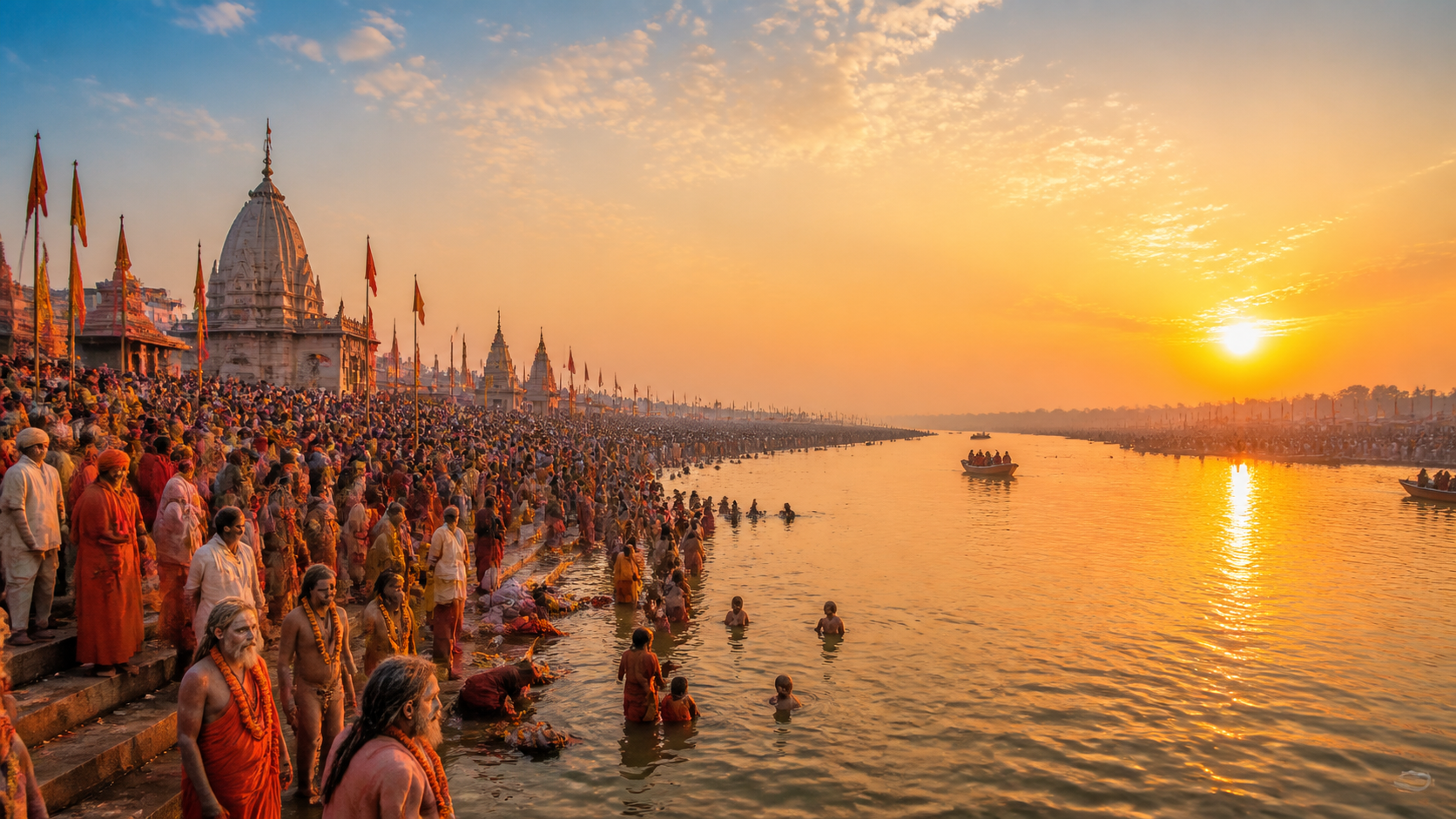
What Is Kumbh Mela? Quick Answer
Kumbh Mela is one of the most important religious and spiritual pilgrimages in Hindu tradition.
The word Kumbh refers to a sacred pot or pitcher, while Mela means a gathering or fair.
Kumbh Mela is associated with sacred river bathing, religious ceremonies, spiritual teachings, saints, ascetics and centuries-old pilgrimage traditions.
The four major locations associated with the Kumbh Mela tradition are Prayagraj, Haridwar, Ujjain and Nashik–Trimbakeshwar.
What Is Kumbh Mela?
Kumbh Mela is one of the largest and most significant religious gatherings in the world. It is a Hindu pilgrimage in which devotees gather at sacred river locations for religious rituals, spiritual practices and holy bathing.
The four major locations associated with the Kumbh Mela tradition are Prayagraj, Haridwar, Ujjain and Nashik–Trimbakeshwar. Each location has its own religious traditions, sacred river and astrological significance.
The Nashik Kumbh Mela has a special connection with the Godavari River, Ramkund, Panchavati and Trimbakeshwar.
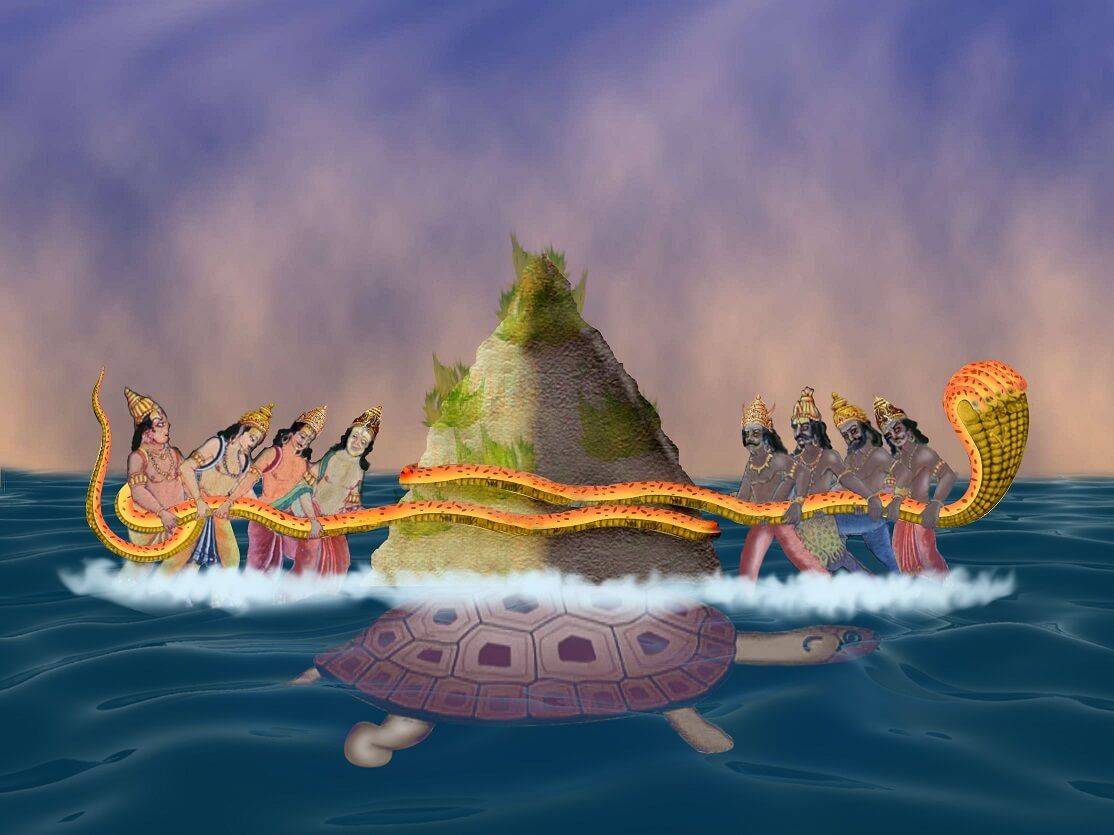
The traditional Samudra Manthan story is closely associated with the mythology of Kumbh Mela.
Kumbh Meaning: What Does Kumbh Mean?
The word Kumbh means a sacred pot or pitcher, while Mela refers to a gathering or fair. The term is associated with the Amrit Kalash, the pot of nectar described in the traditional mythology of Samudra Manthan.
For devotees, Kumbh represents faith, devotion, spiritual purification and the search for a deeper connection with the divine. The gathering also brings together different religious traditions, saints, ascetics and pilgrims.
Samudra Manthan and the Origin of Kumbh Mela
The traditional mythological origin of Kumbh Mela is connected with Samudra Manthan, the churning of the cosmic ocean. According to the story, gods and demons churned the ocean in search of Amrit, the nectar associated with immortality.
When the pot containing Amrit appeared, a struggle followed between the gods and demons. According to the traditional belief, drops of the nectar fell at four sacred locations.
These locations became associated with the Kumbh Mela tradition: Prayagraj, Haridwar, Ujjain and Nashik.
How Samudra Manthan Is Connected to Kumbh
- The traditional story of the churning of the cosmic ocean
- The appearance of the Amrit Kalash
- The struggle between the gods and demons
- The traditional belief connecting Amrit with four sacred locations
- The mythology associated with the religious traditions of Kumbh Mela
Why Is Kumbh Mela Celebrated?
Kumbh Mela is celebrated as a major spiritual gathering where devotees participate in sacred bathing, prayers, religious ceremonies and spiritual activities.
- To participate in sacred bathing rituals
- As an expression of spiritual devotion and purification
- To meet saints and spiritual teachers
- To listen to religious teachings and spiritual discourses
- To participate in long-standing religious and pilgrimage traditions
The Four Sacred Kumbh Mela Locations
Kumbh Mela is associated with four major sacred locations in India. Each location has its own river, pilgrimage traditions and religious significance.
Prayagraj
Prayagraj is associated with the confluence of the Ganga, Yamuna and the traditionally revered Saraswati.
Haridwar
Haridwar is located on the banks of the sacred Ganga River and is an important Hindu pilgrimage centre.
Ujjain
The Kumbh tradition in Ujjain is associated with the sacred Shipra River and the religious heritage of the city.
Nashik–Trimbakeshwar
Nashik–Trimbakeshwar is associated with the Godavari River, Ramkund, Panchavati and Trimbakeshwar Jyotirlinga.
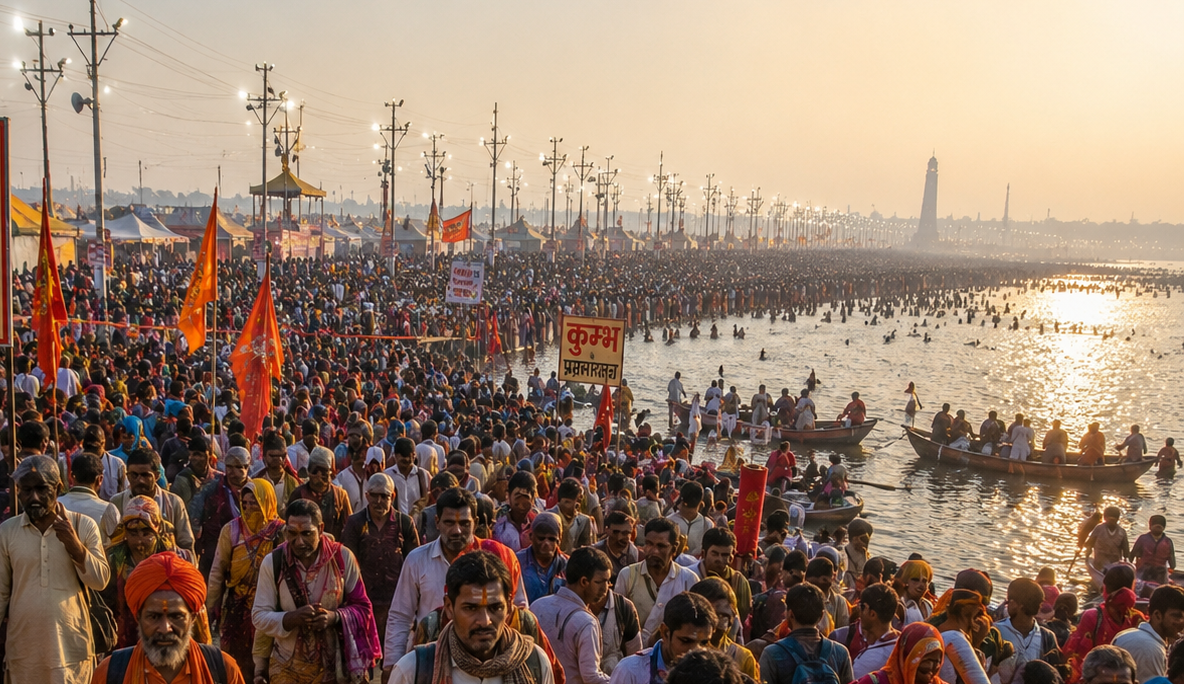
The four major locations associated with the Kumbh Mela tradition.
Types of Kumbh Mela
Different Kumbh-related gatherings are associated with different locations and cycles. The terminology used for these gatherings includes Purna Kumbh, Ardh Kumbh and Maha Kumbh.
| Type | Meaning | Significance |
|---|---|---|
| Purna Kumbh | Full Kumbh | A major Kumbh Mela cycle |
| Ardh Kumbh | Half Kumbh | A gathering associated with the six-year cycle |
| Maha Kumbh | Great Kumbh | A particularly significant religious gathering |
Kumbh Mela Snan: What Are Amrit Snan and Shahi Snan?
Sacred bathing, known as Snan, is one of the most important traditions associated with Kumbh Mela. Devotees gather at sacred rivers to participate in religious bathing according to important festival dates.
Shahi Snan and Amrit Snan are terms used in connection with important ceremonial bathing traditions. Akharas and saints participate in grand processions on significant bathing occasions.
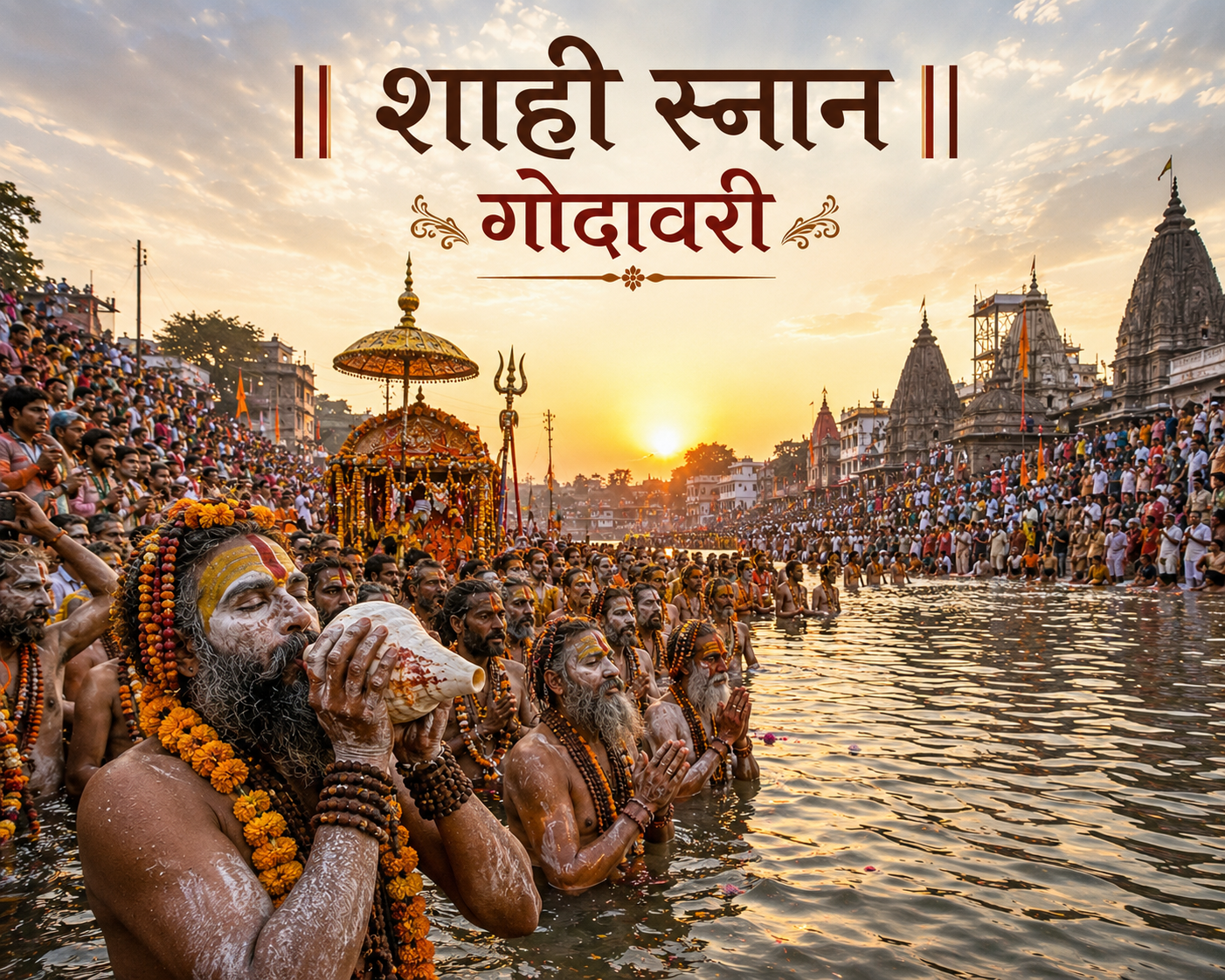
Sacred bathing is one of the central traditions of Kumbh Mela.
Akharas and Naga Sadhus at Kumbh Mela
Akharas are traditional monastic organisations associated with religious teachings, spiritual practices and ascetic traditions. Their participation is one of the distinctive features of Kumbh Mela.
Naga Sadhus are ascetic monks known for their renunciation and spiritual discipline. They are among the most recognisable figures associated with Kumbh Mela.
Ceremonial processions involving Akharas and ascetics form an important part of major bathing occasions.
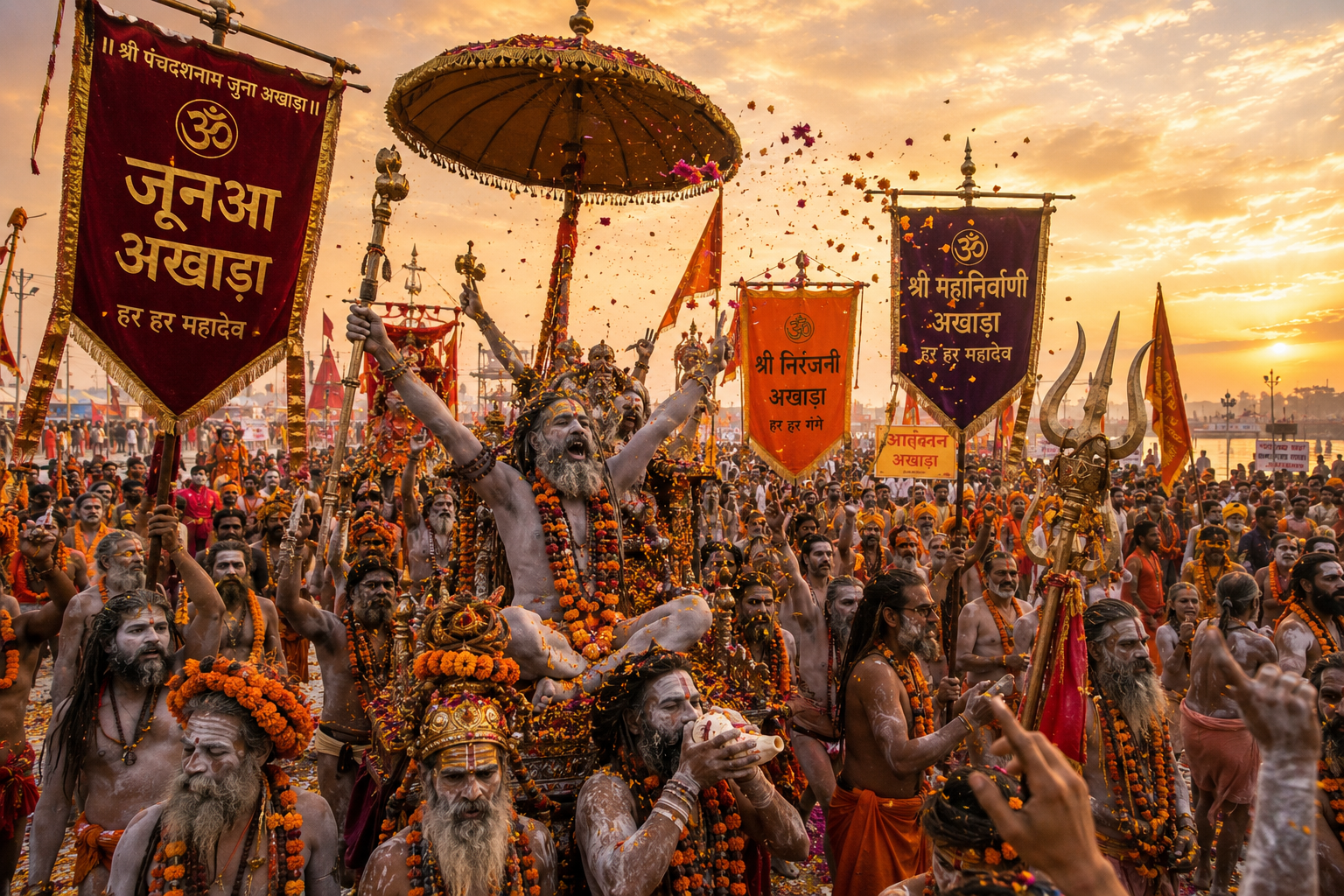
Akharas and ascetic traditions are an important part of Kumbh Mela.
Spiritual and Cultural Significance of Kumbh Mela
Kumbh Mela represents faith, devotion, pilgrimage and spiritual practice. For many devotees, the pilgrimage is an opportunity for prayer, self-reflection and participation in sacred traditions.
Beyond religious rituals, Kumbh Mela brings together pilgrims, saints, ascetics and visitors from different parts of India and the world, making it an important expression of India's religious and cultural heritage.
Why Is Nashik Important for Kumbh Mela?
Nashik–Trimbakeshwar is one of the four locations associated with the Kumbh Mela tradition. The region's connection with the Godavari River and important pilgrimage centres gives Nashik a special place in the Kumbh tradition.
- Godavari River – sacred river associated with Nashik Kumbh
- Ramkund – important sacred bathing location
- Panchavati – major religious area
- Trimbakeshwar – important Jyotirlinga pilgrimage centre
- Kushavarta Kund – important pilgrimage site associated with Trimbakeshwar
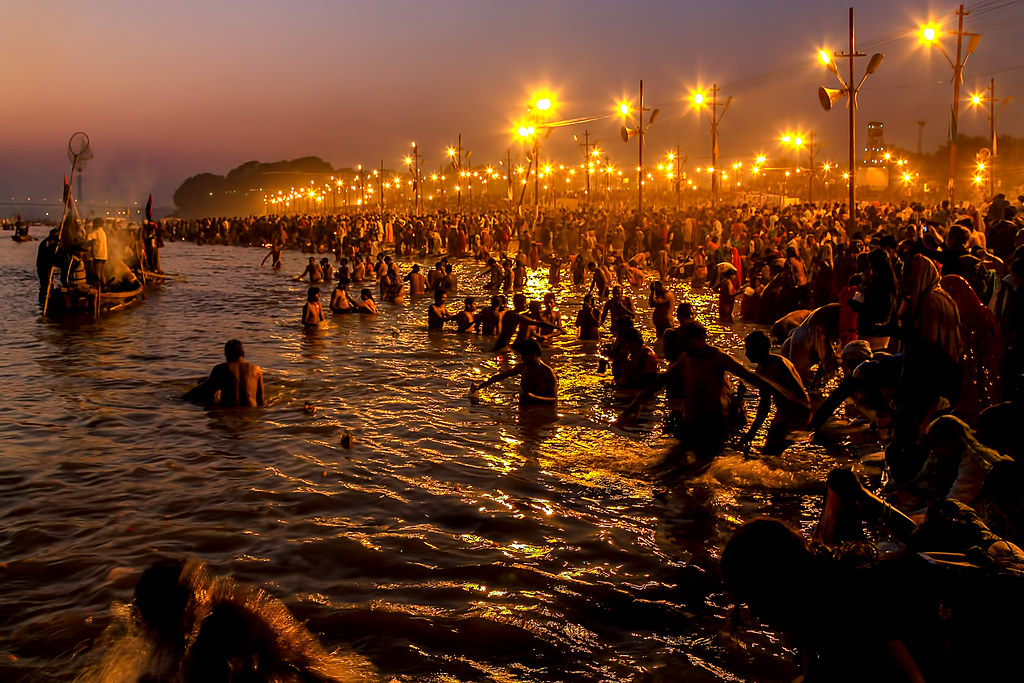
The Godavari River is central to the religious identity of Nashik Kumbh.
Nashik Kumbh Mela 2027
The upcoming Nashik–Trimbakeshwar Kumbh Mela is an important pilgrimage event for devotees planning to visit Nashik and Trimbakeshwar.
If you are planning a visit, our detailed Nashik Kumbh guides cover dates, travel, ghats, temples, budget, administration and other practical information.
Nashik Kumbh Mela 2027 Dates
Important bathing dates and major dates for Nashik Kumbh Mela.
Nashik Kumbh Mela 2027 Budget Guide
Information about the planned budget and expenditure related to Nashik Kumbh Mela.
Nashik Kumbh Authorities & Committees
Learn about the authorities and committees involved in Nashik Kumbh Mela planning and administration.
Nashik Kumbh Development Plan
Explore development projects and infrastructure planning associated with Nashik Kumbh Mela.
Frequently Asked Questions About Kumbh Mela
What is Kumbh Mela?
Kumbh Mela is a major Hindu pilgrimage and religious gathering associated with sacred rivers, spiritual traditions and important bathing rituals.
What does Kumbh mean?
Kumbh means a sacred pot or pitcher. The term is associated with the Amrit Kalash in the traditional Samudra Manthan story.
Why is Kumbh Mela celebrated?
Kumbh Mela is celebrated as a major spiritual gathering involving sacred bathing, religious practices, pilgrimage, spiritual teachings and traditional rituals.
Where is Kumbh Mela held?
The Kumbh Mela tradition is associated with Prayagraj, Haridwar, Ujjain and Nashik–Trimbakeshwar.
What is Amrit Snan?
Amrit Snan refers to an important sacred bathing tradition associated with Kumbh Mela and major religious bathing occasions.
What is Shahi Snan?
Shahi Snan, traditionally described as the Royal Bath, is a major ceremonial bathing tradition involving Akharas, saints and ascetics.
What are Akharas in Kumbh Mela?
Akharas are traditional monastic organisations associated with religious teachings, ascetic traditions and spiritual practices.
Why is Nashik important in Kumbh Mela?
Nashik–Trimbakeshwar is one of the four locations associated with Kumbh Mela and has a strong connection with the Godavari River and important pilgrimage centres.
Explore More About Kumbh Mela
Conclusion: Understanding Kumbh Mela
Kumbh Mela is much more than a large religious gathering. It brings together pilgrimage, sacred bathing, spiritual traditions, saints, Akharas and centuries-old religious beliefs.
Understanding the meaning and history of Kumbh helps visitors appreciate the spiritual importance of the festival before travelling to one of its sacred locations.
For those planning to experience the upcoming Nashik Kumbh Mela, our Nashik-specific guides provide additional information about dates, travel, temples, ghats, budget and practical pilgrimage planning.