Nashik Ghats: Sacred Godavari River Ghats
Explore Nashik's sacred riverfront, Ramkund, Panchavati and the pilgrimage traditions connected with the Godavari River. This guide also explains the importance of the ghats during Nashik-Trimbakeshwar Simhastha Kumbh Mela 2027.

Riverfront
Godavari • Nashik
Nashik's ghats are closely associated with the Godavari River and the city's long-standing pilgrimage traditions. Ramkund, located in the Panchavati area, is one of the most important religious sites on the riverfront. The Nashik District Government identifies Ramkund as a highly sacred location, while Maharashtra Tourism describes the Godavari riverfront, including Ram Kund, as an important setting for religious bathing during the Nashik-Trimbakeshwar Kumbh Mela.
Nashik riverfront
Nashik Ghats at a Glance
| Site / Area | River / Location | Importance |
|---|---|---|
| Ramkund | Godavari River, Panchavati | Major pilgrimage and bathing site |
| Godavari Riverfront | Central Nashik | Religious rituals, pilgrimage and river bathing |
| Panchavati riverfront | Panchavati | Important pilgrimage landscape around Ramkund |
Note: This page focuses on major pilgrimage and riverfront areas that can be supported by reliable sources. It does not present an unverified ranking of every ghat in Nashik.

Featured ghat
Ramkund Ghat
Ramkund is one of Nashik's most important sacred riverfront sites. It stands on the Godavari River in Panchavati and is closely associated with pilgrimage, religious bathing and ritual practices.
The Nashik District Government records Ramkund as a major religious site and notes its historical development and association with Asthivilaya Tirth. Its location also places visitors close to several important temples and pilgrimage attractions in Panchavati.
Read the Complete Ramkund Guide →Sacred river
The Godavari River and Nashik Ghats
The Godavari is central to Nashik's religious identity. The river originates in the Trimbakeshwar area and flows through Nashik, where its riverfront includes important pilgrimage locations.
Religious bathing at the Godavari is an important part of the pilgrimage tradition associated with Nashik. During Simhastha Kumbh, the riverfront becomes especially significant because ceremonial bathing is one of the central traditions of the festival.
Learn About the Significance of the Godavari →
Kumbh Mela 2027
Nashik Ghats and Kumbh Mela
Nashik-Trimbakeshwar Simhastha Kumbh Mela is closely connected with the Godavari River and the religious tradition of sacred bathing. Ramkund and the surrounding riverfront are therefore important places for pilgrims visiting Nashik.
The exact arrangements, access rules, crowd-management measures and operational instructions for the 2027 event may change as authorities publish further information. Visitors should check current official announcements before travelling.

Kumbh Mela 2027
Understand the Nashik-Trimbakeshwar Kumbh, pilgrimage areas and important visitor information.
Explore guide →
Kumbh Development Plan
Explore the infrastructure and development planning connected with Nashik-Trimbakeshwar Simhastha Kumbh.
Explore guide →
Crowd & Security Updates
Follow important preparations and public updates relevant to pilgrims and visitors.
Explore guide →
Pilgrimage area
Panchavati and the Ghats
Panchavati is one of Nashik's most significant pilgrimage areas and is closely connected with Ramkund and the Godavari riverfront. The area contains several temples, caves and religious sites that can be visited as part of a Nashik pilgrimage.
For visitors exploring the ghats, combining Ramkund with nearby Panchavati attractions can provide a more complete understanding of the religious landscape.
Explore the Panchavati Guide →Nearby pilgrimage sites
Temples and Places Near Nashik Ghats

Kalaram Temple
A historic temple in Panchavati that can be combined with a visit to the Ramkund riverfront.
Explore guide →
Kapaleshwar Temple
An important Shiva temple located close to the Ramkund area.
Explore guide →
Sita Gufa
A well-known pilgrimage attraction in Panchavati.
Explore guide →
Kushavarta Kund
A significant pilgrimage site at Trimbakeshwar associated with the Godavari tradition.
Explore guide →
Infrastructure
Ghat Development Ahead of Kumbh Mela 2027
Infrastructure planning for Simhastha Kumbh includes work connected with riverfront and ghat facilities. Official administrative approvals published by the Nashik Divisional Commissioner include projects involving ghat-related infrastructure and other facilities intended for the wider Kumbh preparations.
Project scope, locations, timelines and implementation status can change. Check the latest government approvals and updates before relying on a project as completed.
View the Kumbh Development Plan →Before you visit
Visiting Nashik Ghats Safely
Check river conditions
Water depth, flow and local conditions can change. Follow safety instructions at the riverfront.
Follow local directions
During major religious events, follow instructions issued by local authorities and event-management teams.
Protect valuables
Avoid carrying unnecessary valuables when visiting crowded pilgrimage areas.
Respect religious practices
Dress and behave respectfully around temples, bathing areas and religious ceremonies.
Keep the riverfront clean
Use designated waste facilities and avoid disposing of waste in or near the Godavari.
Check current updates
Crowd arrangements, access routes and restrictions can change during major events.
Plan your visit
How to Reach the Nashik Ghats
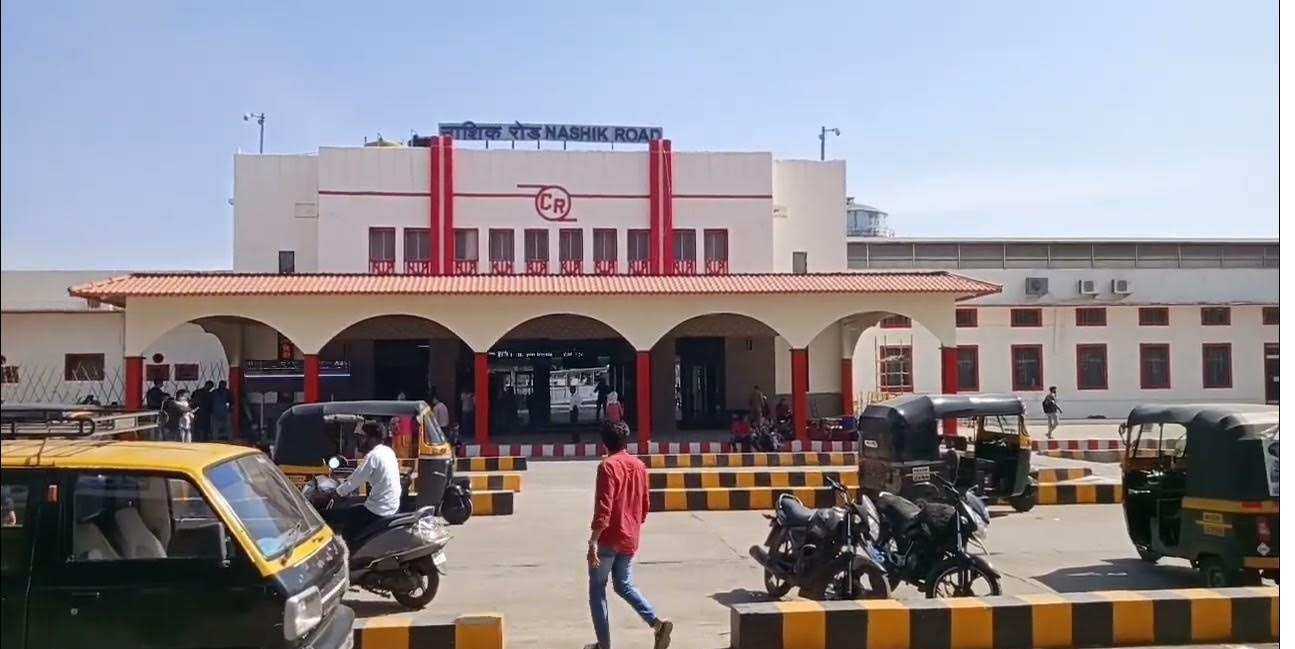
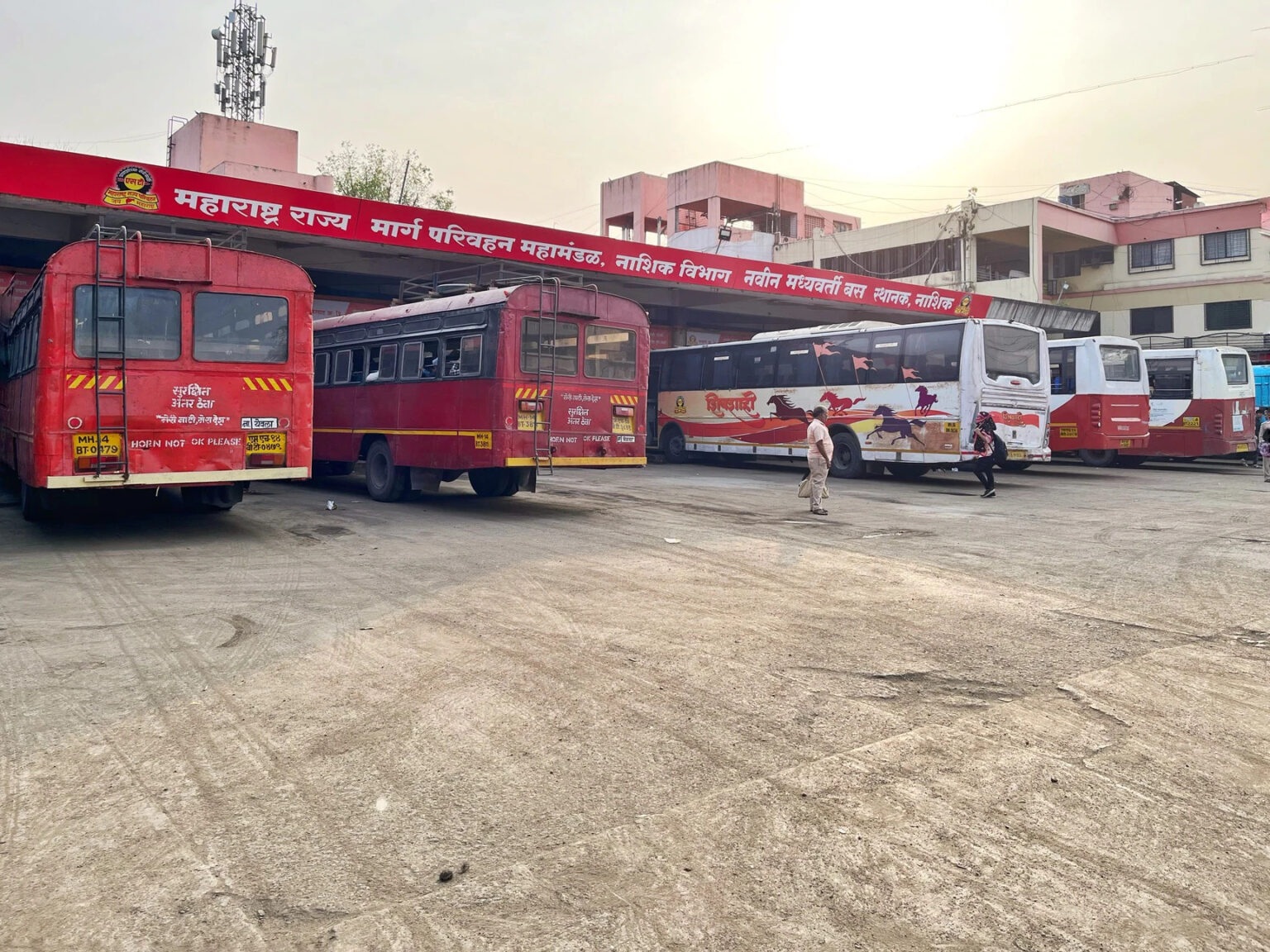

Frequently asked questions
Nashik Ghats FAQ
Which is the most famous ghat in Nashik?
Ramkund is one of the best-known sacred riverfront sites in Nashik. It is located on the Godavari River in the Panchavati area and is an important pilgrimage destination.
Where are the ghats in Nashik?
Several important pilgrimage and riverfront sites are located along the Godavari in Nashik, particularly around Ramkund and Panchavati. The riverfront forms an important part of Nashik's religious landscape.
Why is Ramkund important?
Ramkund is an important religious site on the Godavari River. The Nashik District Government describes Ramkund as a highly sacred location and records its association with pilgrimage and ritual practices.
Are Nashik ghats important during Kumbh Mela?
Yes. The Godavari riverfront and bathing traditions are an important part of Nashik-Trimbakeshwar Simhastha Kumbh Mela. Ramkund is one of the prominent pilgrimage locations in Nashik.
Is Ramkund near Panchavati?
Yes. Ramkund is located in the Panchavati area of Nashik and is surrounded by several important temples and pilgrimage sites.
Can visitors bathe at the Nashik ghats?
Bathing and ritual activities are traditionally associated with the Godavari riverfront. Visitors should follow local safety instructions, water conditions, crowd-management directions and any restrictions in force at the time of their visit.
Official Information Sources
For current information about pilgrimage sites, tourism, infrastructure and Kumbh-related arrangements, consult government and tourism authorities in addition to this guide.