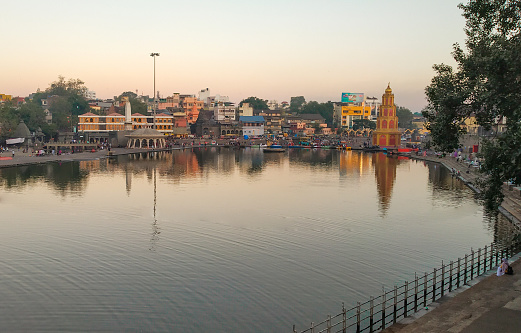
The Godavari River holds immense spiritual importance in Hinduism. Flowing across several Indian states, it is the second longest river in India and is often called the “Ganga of the South.” For millions of devotees, the Godavari is not just a river — it is a sacred lifeline of faith, purification, and divine blessings.
In Nashik, the river becomes the center of spiritual energy during the Kumbh Mela. Pilgrims gather at Ramkund to take the holy snan (ritual bath), believing it cleanses sins and grants spiritual liberation.
Origin of the Godavari River
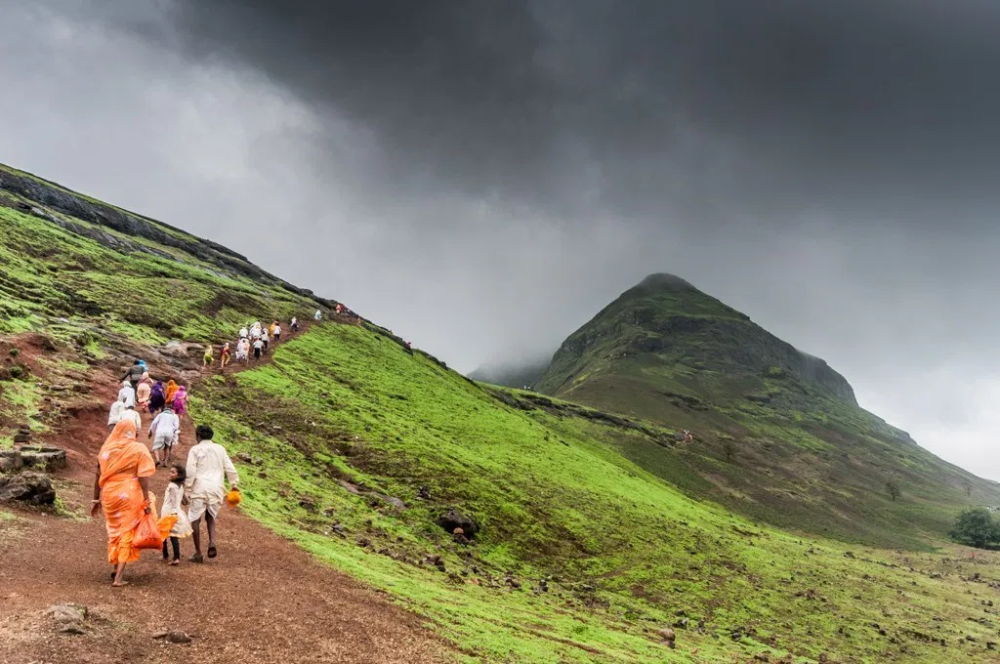
The Godavari originates from the sacred Brahmagiri Hills near Trimbakeshwar in Maharashtra. According to Hindu mythology, the river was brought to Earth through the prayers of Sage Gautama. It is believed that Lord Shiva released the sacred waters to purify the land. The presence of the Trimbakeshwar Jyotirlinga its spiritual value.
Sage Gautama and the Divine Origin of Godavari
According to Hindu mythology, the Godavari River is closely connected with Sage Gautama, one of the revered sages of ancient India. Gautama Rishi lived near Brahmagiri Hills and was known for his devotion, wisdom, and charitable nature.
Legend states that after an unfortunate incident involving a sacred cow, Gautama sought forgiveness through intense penance to Lord Shiva. Pleased with his devotion, Lord Shiva requested Goddess Ganga to descend to Earth and purify the region. The sacred waters emerged from Brahmagiri Hills and became known as the Godavari River.
Because of this divine origin, the Godavari is considered one of the holiest rivers in Hinduism and attracts millions of pilgrims every year.
Religious Importance in Hinduism
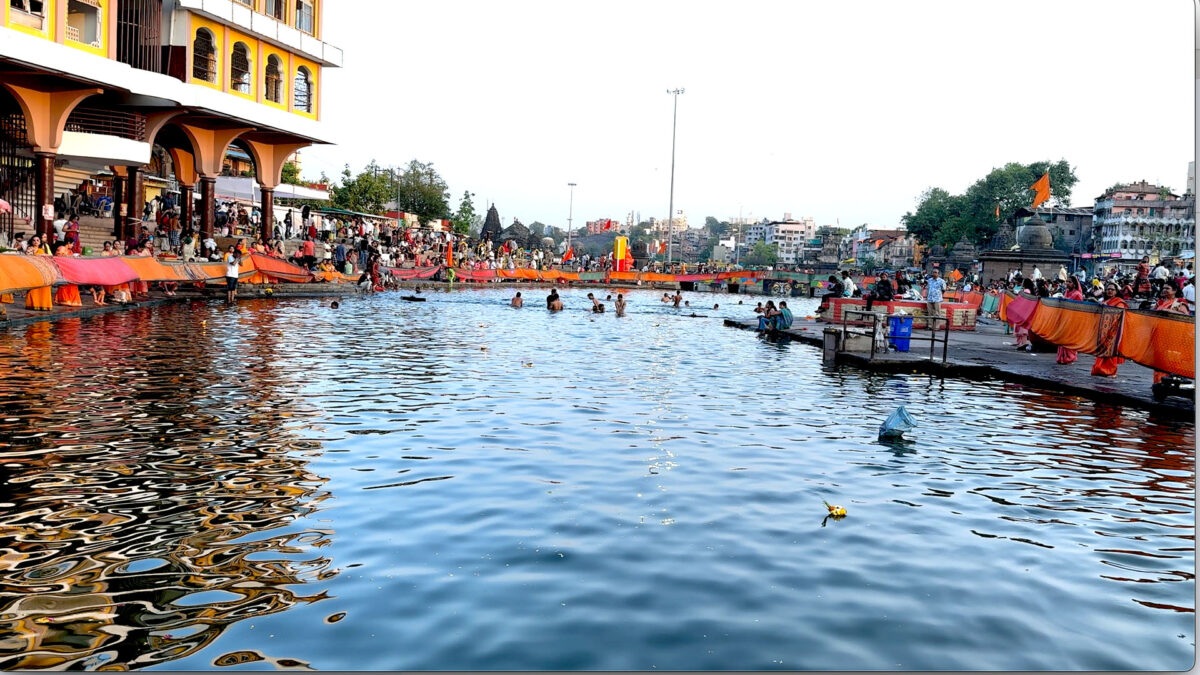
The Godavari River is considered highly sacred for performing rituals, pind daan (ancestral offerings), and spiritual ceremonies. Ramkund in Nashik is one of the most important ghats where devotees perform last rites for their ancestors.
During the Nashik Kumbh Mela, millions of devotees take a holy dip in the Godavari, believing it washes away past sins and brings divine blessings.
Godavari River in Hindu Scriptures
The Godavari River is mentioned in several Hindu scriptures, including the Ramayana, Puranas, and various pilgrimage texts. These references emphasize its role as a sacred river capable of granting spiritual merit and purification.
Throughout history, saints, sages, and devotees have visited the banks of the Godavari to perform rituals, meditate, and seek divine blessings.
Its association with important religious events and sacred locations has made it one of India's most respected pilgrimage destinations.
Why is Godavari Called the “Ganga of the South”?
The Godavari is revered in the southern parts of India just like the River Ganga is worshipped in the north. Scriptures describe that bathing in the Godavari during auspicious periods carries spiritual merit equivalent to bathing in the Ganga.
This is why Nashik holds one of the four Kumbh Melas in India, making the river a central element of this grand spiritual event.
Godavari River and Lord Rama
Nashik occupies a special place in Hindu tradition because it is associated with Lord Rama's exile period described in the Ramayana. Panchavati, located on the banks of the Godavari River, is believed to be the place where Lord Rama, Goddess Sita, and Lakshmana lived during their vanvas.
Many important events of the Ramayana are connected with this region, including the episode involving Surpanakha and the abduction of Sita by Ravana.
This connection further enhances the spiritual importance of the Godavari River and makes Nashik one of the most sacred pilgrimage destinations in India.
Spiritual Beliefs Associated with Godavari
- Bathing in the river removes sins and negative karma.
- Performing rituals at Ramkund grants peace to ancestors.
- Holy dip during Kumbh multiplies spiritual benefits.
- The river is considered a divine mother who blesses devotees.
Godavari River and Nashik Kumbh Mela
The Godavari River plays the central role in the Nashik Kumbh Mela, one of the four major Kumbh Melas celebrated in India. Millions of pilgrims gather along the river banks to take part in sacred bathing rituals during astrologically significant dates.
Devotees believe that taking a holy dip in the Godavari during Kumbh Mela helps cleanse sins, remove negative karma, and bring spiritual growth. Major bathing ceremonies are conducted at Ramkund and other ghats along the river.
The spiritual connection between the Godavari River and Kumbh Mela continues to attract pilgrims from across India and around the world.
Important Ghats on the Godavari River in Nashik
- Ramkund – The most important bathing ghat associated with Nashik Kumbh Mela.
- Lakshman Kund – A sacred site connected with Lord Lakshmana.
- Kapila Sangam – An important confluence associated with religious rituals.
- Ahilya Kund – A historic bathing and ritual location.
Conclusion
The Godavari River is far more than a geographical feature — it is a sacred symbol of purification, devotion, and divine grace. Its connection with Trimbakeshwar and Nashik Kumbh Mela makes it one of the holiest rivers in Hinduism.
Frequently Asked Questions
Why is the Godavari River sacred?
The Godavari is considered sacred because of its association with Sage Gautama, Lord Shiva, Lord Rama, and major Hindu pilgrimage traditions.
Why is Godavari called the Ganga of the South?
It holds a similar religious status in southern India as the Ganga holds in northern India.
Where does the Godavari River originate?
The river originates from Brahmagiri Hills near Trimbakeshwar in Maharashtra.
Why is Godavari important during Nashik Kumbh Mela?
Pilgrims believe bathing in the Godavari during Kumbh Mela brings spiritual purification and divine blessings.