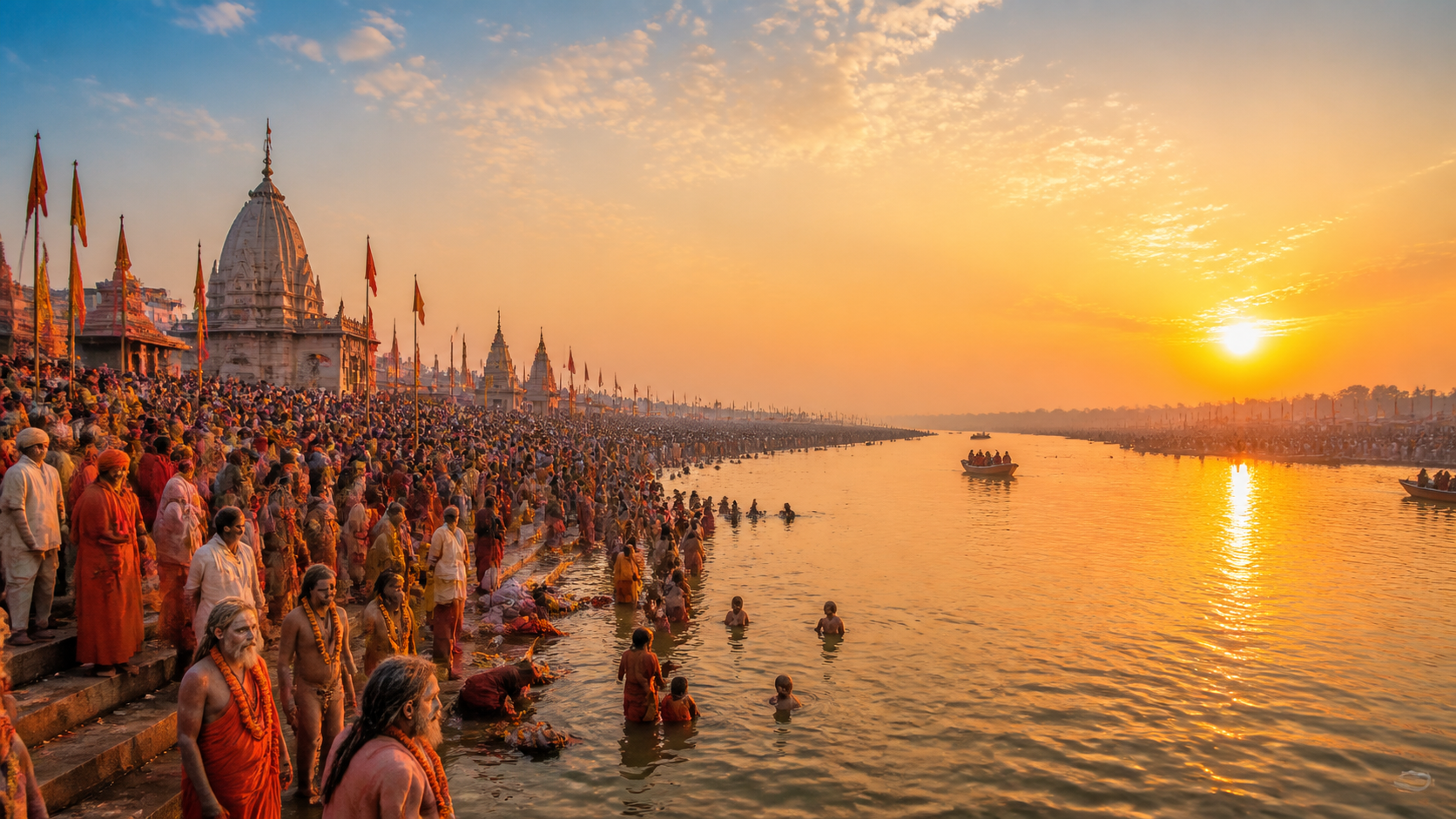
About NashikKumbh Mela 2027
Discover the history, spiritual significance, sacred places and traditions of Nashik-Trimbakeshwar Kumbh Mela and understand what makes Nashik one of India's important Kumbh pilgrimage destinations.
Next Nashik Kumbh
2027
Region
Nashik–Trimbakeshwar
Sacred River
Godavari
Gathering
Pilgrims & Saints
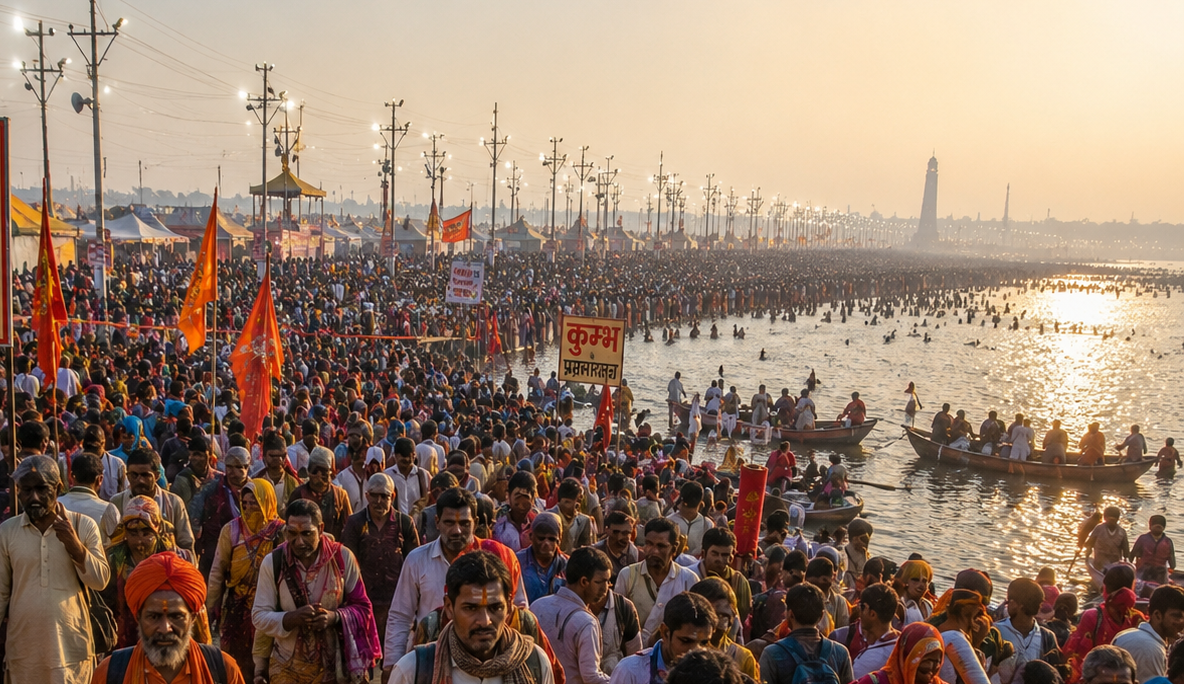
Understanding Nashik Kumbh
What Is Nashik Kumbh Mela?
Kumbh Mela is a major Hindu pilgrimage and religious gathering held at four traditional locations in India: Prayagraj, Haridwar, Ujjain and Nashik-Trimbakeshwar.
The Nashik-Trimbakeshwar Kumbh Mela is closely associated with the sacred Godavari River and important pilgrimage locations including Nashik, Panchavati, Ramkund and Trimbakeshwar.
During the festival, pilgrims participate in sacred bathing, religious ceremonies, spiritual gatherings and traditional activities.
Faith & Tradition
Why Is Kumbh Mela Celebrated?
The religious tradition of Kumbh Mela is closely connected with the ancient story of Samudra Manthan, the churning of the cosmic ocean.
According to Hindu tradition, gods and demons sought Amrit, the nectar of immortality. The sacred story is traditionally associated with the four Kumbh pilgrimage locations.
Kumbh Mela represents faith, devotion, spiritual practice and pilgrimage. Devotees gather for sacred bathing, prayers, religious ceremonies and spiritual gatherings.
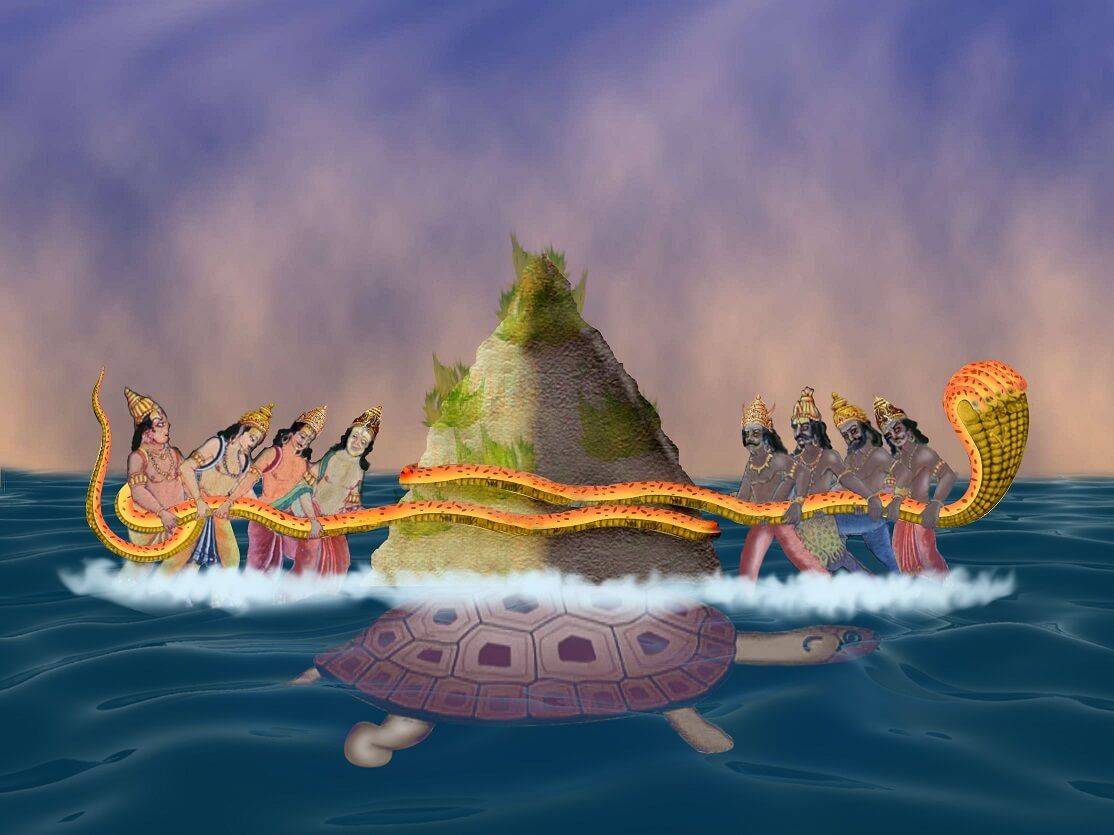
The Legend of Amrit
Samudra Manthan and the traditional Kumbh story
The Kumbh Experience
Key Features of Nashik Kumbh Mela
Explore the major spiritual, cultural and pilgrimage elements that make Nashik Kumbh Mela significant.
Kumbh Mela in Nashik
Nashik-Trimbakeshwar is one of the four traditional Kumbh Mela locations in India. The Nashik Kumbh is associated with an important cycle of pilgrimage and sacred bathing.
Sacred Godavari River
The Godavari River is central to the spiritual identity of Nashik Kumbh Mela. Sacred bathing along the river is one of the major traditions associated with the festival.
Millions of Pilgrims
The gathering brings together pilgrims, saints, sadhus and visitors from different parts of India and beyond for religious observances and spiritual activities.
Sacred Places
Important pilgrimage locations include Ramkund and Panchavati in Nashik and Kushavarta Kund and Trimbakeshwar in the wider pilgrimage region.
Sacred Bathing Days
Important bathing days are among the major highlights of Kumbh Mela. Pilgrims gather at sacred river locations according to the religious calendar.
Ancient Traditions
Kumbh Mela brings together religious discourses, rituals, spiritual traditions, saints, Akharas and cultural practices that have developed over centuries.
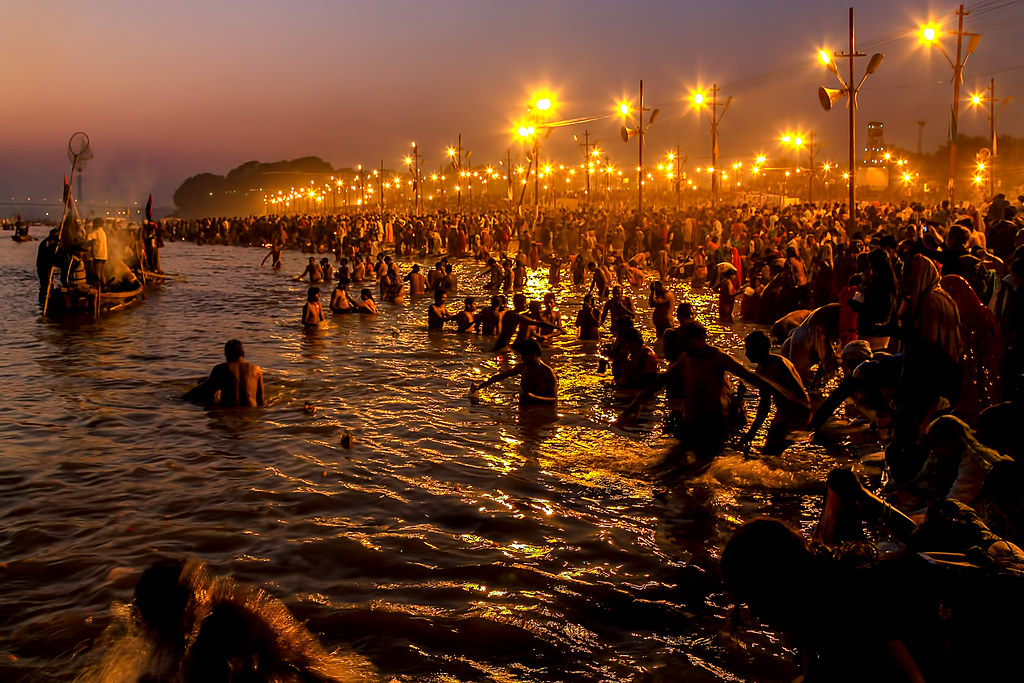
The Sacred Godavari
An important part of Nashik's pilgrimage landscape
Why the Godavari Matters
The Godavari River is deeply connected with the religious identity of Nashik. Sacred bathing and pilgrimage around the river are central parts of the Nashik Kumbh tradition.
Ramkund and other ghats along the river are important pilgrimage locations, particularly during major bathing occasions.
Explore the Godavari guideSacred Heritage
Nashik's Spiritual & Mythological Significance
Panchavati & Ramkund
Connection with Lord Rama
Nashik is closely associated with the Ramayana tradition. Panchavati is traditionally connected with the period of Lord Rama's exile, while Ramkund is regarded as an important sacred location in Nashik.
Trimbakeshwar
Trimbakeshwar Jyotirlinga
Trimbakeshwar is home to one of the twelve Jyotirlingas and is an important pilgrimage destination in the Nashik region. The area is also associated with the origin of the Godavari River.
Read the Trimbakeshwar guide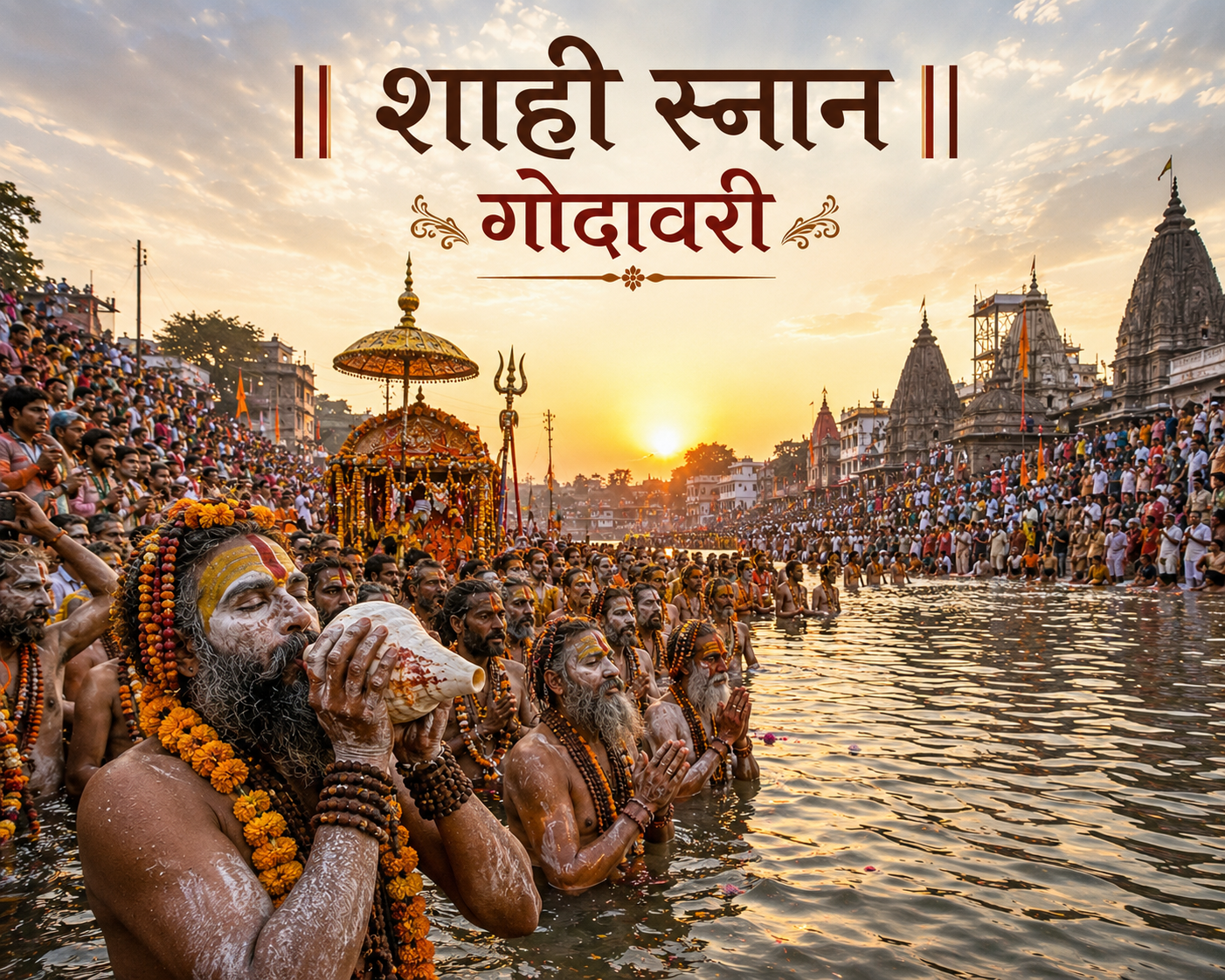
Shahi Snan & Amrit Snan
Sacred Bathing & Akharas
Sacred bathing is one of the defining traditions of Kumbh Mela. Shahi Snan and Amrit Snan are terms associated with important ceremonial bathing traditions of the festival.
Akharas are traditional monastic organizations that play an important role in Kumbh gatherings. Saints and Naga Sadhus are among the most recognizable participants.
Looking Ahead
Nashik Kumbh Mela 2027
Nashik and Trimbakeshwar are preparing for the upcoming Kumbh gathering. Visitors should plan ahead and follow updated information about dates, transportation, accommodation and pilgrimage facilities.
Kumbh Dates
Check important bathing dates and the festival schedule.
View datesTravel Guide
Explore railway, bus, air and other travel information.
Plan travelWhere to Stay
Explore accommodation options and useful stay information.
Find staysPilgrim Guidance
Read useful advice and important Dos and Don'ts.
Read guideExplore Nashik Kumbh Guide
Helpful Kumbh Mela Guides
Explore detailed guides covering Kumbh Mela history, dates, sacred places, bathing traditions and Nashik pilgrimage information.
What Is Kumbh Mela?
Understand the meaning, history, origin and significance of Kumbh Mela.
Explore guideNashik Kumbh Mela 2027 Dates
Check important bathing dates and the Nashik Kumbh Mela schedule.
Explore guideGodavari River
Learn why the Godavari River is spiritually important to Nashik Kumbh.
Explore guideRamkund Nashik Guide
Explore one of Nashik's most important sacred bathing locations.
Explore guideTrimbakeshwar Temple
Discover the Jyotirlinga temple and its importance in the pilgrimage region.
Explore guideShahi Snan & Amrit Snan
Understand the sacred bathing traditions associated with Kumbh Mela.
Explore guideBefore You Visit
Important Information
Check Kumbh Mela dates and major bathing dates against official announcements and updated information.
Plan transportation, accommodation, safety and daily movement in advance for major pilgrimage days.
Follow instructions and guidelines issued by local authorities during major bathing and pilgrimage occasions.
Peak bathing days can experience very high footfall, so advance planning is especially important.
Planning for Nashik Kumbh Mela 2027?
Explore our Kumbh dates, travel, temples, ghats, pilgrimage and practical guides to prepare for your visit to Nashik and Trimbakeshwar.