Kumbh Mela Guide
Shahi Snan (Amrit Snan) Guide for Nashik Kumbh Mela 2027
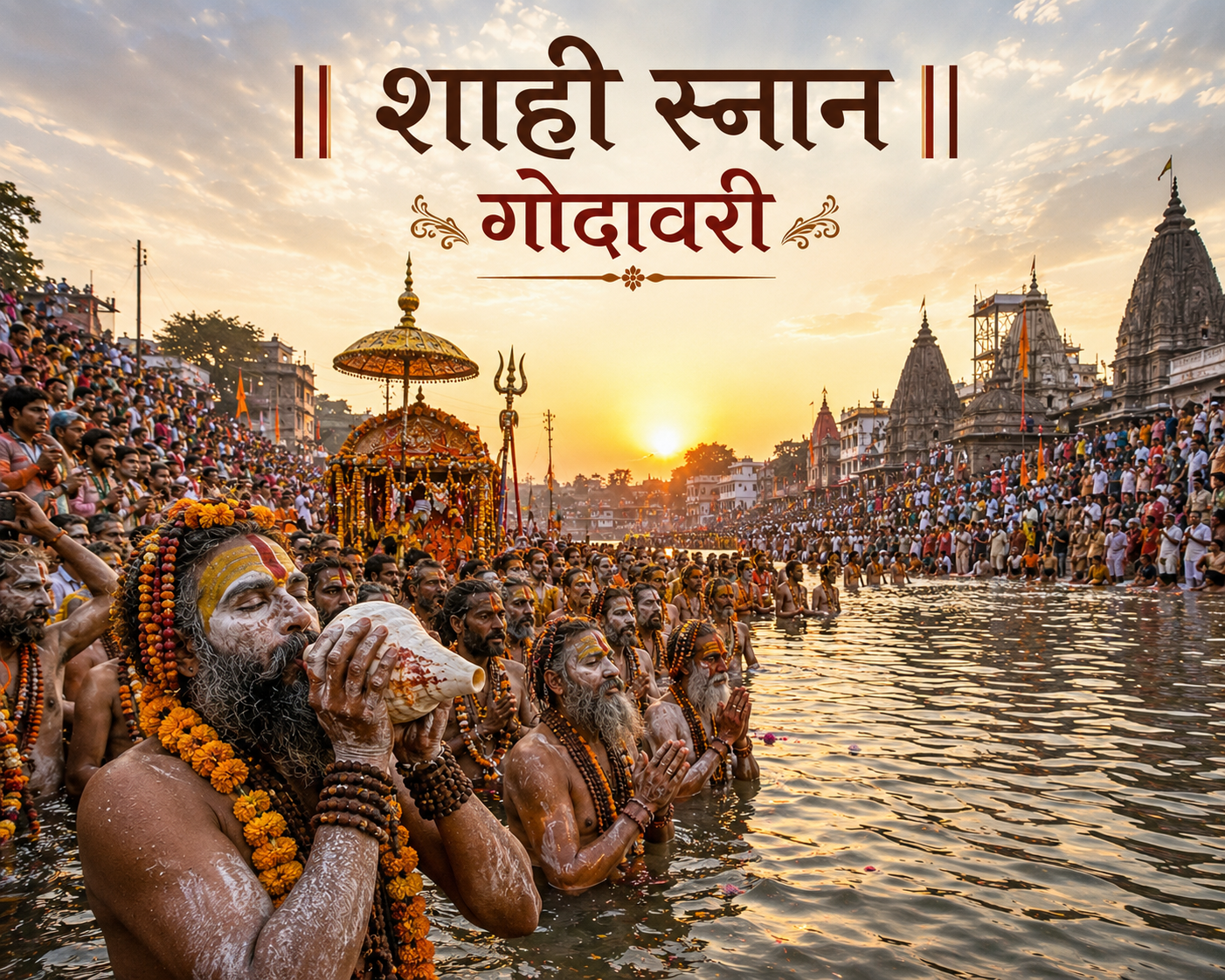
Shahi Snan, increasingly referred to as Amrit Snan, is the most sacred and spiritually significant ritual of the Kumbh Mela. During Nashik Kumbh Mela 2027, millions of pilgrims, saints, Akharas, and Naga Sadhus will gather at the sacred Godavari River to participate in this extraordinary religious event. The ritual symbolizes purification, devotion, spiritual awakening, and the timeless connection between Hindu traditions and the legendary story of Samudra Manthan.
For many devotees, participating in Shahi Snan is the primary reason for attending the Kumbh Mela. The ritual is believed to cleanse accumulated sins, strengthen spiritual growth, and help devotees progress toward moksha. The atmosphere created by chanting, processions, saints, and sacred bathing transforms Nashik into one of the most important pilgrimage destinations in the world.
This comprehensive guide explains the meaning of Shahi Snan and Amrit Snan, their historical and spiritual significance, the role of Akharas and Naga Sadhus, official Nashik Kumbh Mela 2027 bathing dates, and everything pilgrims should know before attending this once-in-twelve-years celebration of faith.
Quick Facts About Shahi Snan
- 🕉️ Main Ritual: Sacred Bath During Kumbh Mela
- 🌊 Main Locations: Ramkund, Godavari River and Trimbakeshwar
- 🚩 Participants: Akharas, Naga Sadhus and Pilgrims
- 📖 Connected To: Samudra Manthan and Amrit Kalash
- ⭐ Spiritual Belief: Purification and Spiritual Merit
- 🎉 Event: Nashik Kumbh Mela 2027
What is Shahi Snan?
Shahi Snan is the most important bathing ritual of the Kumbh Mela. The term literally translates to "Royal Bath" and traditionally refers to the ceremonial bathing processions led by Akharas, saints, and Naga Sadhus. These processions represent centuries of spiritual tradition and are among the most anticipated events of every Kumbh Mela.
During Shahi Snan, different Akharas proceed toward the sacred bathing locations in a predetermined order. The processions are accompanied by religious chants, traditional symbols, flags, and spiritual leaders. Devotees gather in large numbers to witness this extraordinary display of faith and devotion.
In Nashik Kumbh Mela, the ritual takes place at locations associated with the Godavari River, including Ramkund and Trimbakeshwar, both of which hold immense religious significance in Hindu tradition.
What is Amrit Snan?
Amrit Snan is the term increasingly used to describe the sacred bathing ritual of the Kumbh Mela. The word "Amrit" refers to the nectar of immortality mentioned in Hindu scriptures and is closely associated with the story of Samudra Manthan, the cosmic churning of the ocean.
The name highlights the spiritual essence of the ritual and emphasizes purification, divine blessings, and the quest for spiritual growth. For many devotees, the term Amrit Snan better reflects the religious significance of the ceremony because it connects directly with the mythology that gave rise to the Kumbh Mela tradition.
Today, both Shahi Snan and Amrit Snan are commonly understood by pilgrims, and many people use the terms interchangeably while referring to the most important bathing days of the Kumbh Mela.
Difference Between Shahi Snan and Amrit Snan
| Shahi Snan | Amrit Snan |
|---|---|
| Means Royal Bath | Means Nectar Bath |
| Focuses on ceremonial procession traditions | Focuses on spiritual and mythological symbolism |
| Historically popular terminology | Increasingly preferred Sanskrit terminology |
Connection Between Shahi Snan, Amrit Snan and Samudra Manthan
The origins of Kumbh Mela and the sacred bathing ritual are deeply connected with the legendary story of Samudra Manthan, the churning of the cosmic ocean. According to Hindu scriptures, the Devas and Asuras worked together to churn the ocean in search of Amrit, the nectar of immortality.
When the Amrit Kalash emerged from the ocean, a fierce struggle took place for possession of the divine nectar. During this celestial conflict, drops of Amrit are believed to have fallen at four sacred locations: Prayagraj, Haridwar, Ujjain, and Nashik.
This belief forms the foundation of the Kumbh Mela tradition. Pilgrims participating in Shahi Snan and Amrit Snan symbolically reconnect with this sacred event and seek divine blessings through ritual bathing in holy waters.
Why is Shahi Snan Important?
Shahi Snan is regarded as the most spiritually significant ritual of the Kumbh Mela. Millions of devotees travel from across India and around the world to participate in this sacred bath because it is believed to offer spiritual purification and divine merit.
According to Hindu traditions, bathing in sacred waters during astrologically significant moments helps devotees cleanse themselves of past sins and strengthen their connection with the divine. The ritual represents faith, devotion, humility, and spiritual renewal.
For many pilgrims attending Nashik Kumbh Mela 2027, taking part in Amrit Snan is considered the most important spiritual act of their entire pilgrimage.
Spiritual Significance of Amrit Snan
Amrit Snan symbolizes much more than a physical bath. The ritual represents the purification of the mind, body, and soul. Devotees believe that sincere participation in the sacred bath helps remove negative influences and inspires spiritual growth.
The concept of Amrit, or divine nectar, is associated with immortality and enlightenment. Through ritual bathing, pilgrims seek blessings, inner peace, and a deeper connection with spiritual teachings that have been preserved for centuries.
This spiritual symbolism is one reason why the term Amrit Snan has become increasingly popular among devotees and religious leaders.
Who Participates in Shahi Snan?
Shahi Snan involves a wide range of participants, including Akharas, saints, Mahants, Naga Sadhus, spiritual leaders, pilgrims, and visitors. While millions of devotees eventually take the sacred bath, the ritual traditionally begins with the ceremonial participation of recognized Akharas.
These religious organizations preserve ancient traditions, spiritual teachings, and monastic lineages. Their participation is one of the defining characteristics of the Kumbh Mela and attracts significant attention from pilgrims and observers.
The sight of thousands of saints gathering for the sacred bath remains one of the most memorable experiences of the Kumbh Mela.
What Are Akharas?
Akharas are traditional Hindu monastic organizations that play a central role in Kumbh Mela celebrations. These institutions preserve spiritual teachings, religious practices, and centuries-old traditions associated with Sanatan Dharma.
Different Akharas represent various spiritual lineages and philosophical traditions. During Nashik Kumbh Mela, the Akharas organize processions, participate in religious ceremonies, and lead the sacred bathing rituals.
Their presence adds a unique cultural and spiritual dimension to the Kumbh Mela experience and highlights the diversity of Hindu religious traditions.
Who Are the Naga Sadhus?
Naga Sadhus are among the most recognized participants in the Kumbh Mela. Known for their ascetic lifestyle and intense spiritual discipline, they are often associated with renunciation, devotion, and deep commitment to spiritual practice.
During Shahi Snan, Naga Sadhus participate in ceremonial processions and are often among the first groups to enter the sacred waters. Their appearance and traditions attract global attention and symbolize the rich spiritual heritage of the Kumbh Mela.
For many visitors, witnessing the participation of Naga Sadhus is one of the most fascinating aspects of attending Nashik Kumbh Mela.
Why Do Akharas Bathe First?
One of the most frequently asked questions about Shahi Snan is why Akharas receive priority during the sacred bathing ritual. The tradition reflects centuries of religious customs and recognizes the spiritual leadership role of the Akharas within the Kumbh Mela.
The order of participation is carefully organized to maintain tradition, discipline, and ceremonial significance. After the designated Akharas complete their ritual bath, the general public is permitted to enter the sacred waters.
This sequence has become one of the defining characteristics of the Kumbh Mela and contributes to the grandeur of the event.
The Grand Shahi Snan Procession
Before the sacred bath begins, elaborate processions move toward the bathing ghats. These processions often include saints, Mahants, Naga Sadhus, traditional symbols, religious flags, drums, and devotional chanting.
The processions create a vibrant spiritual atmosphere that attracts pilgrims, photographers, researchers, and visitors from around the world. For many attendees, witnessing the procession is as memorable as participating in the sacred bath itself.
The ceremonial journey of the Akharas toward the Godavari River remains one of the most iconic images associated with Nashik Kumbh Mela and the broader Kumbh Mela tradition.
Official Nashik Kumbh Mela 2027 Amrit Snan Dates
The Amrit Snan dates are the most important days of Nashik Kumbh Mela 2027 and are expected to attract millions of pilgrims, saints, Akharas, and visitors from across India and around the world.
Amrit Snan Dates 2027
- 🕉️ First Amrit Snan – 2 August 2027
- 🕉️ Second Amrit Snan – 31 August 2027
- 🕉️ Third Amrit Snan (Nashik) – 11 September 2027
- 🕉️ Third Amrit Snan (Trimbakeshwar) – 12 September 2027
Why Ramkund is Important During Shahi Snan
Ramkund is one of the most sacred bathing locations in Nashik and plays a central role during Nashik Kumbh Mela. Situated on the banks of the Godavari River in Panchavati, Ramkund is associated with Lord Rama and centuries of pilgrimage traditions.
During Amrit Snan, countless devotees gather at Ramkund to participate in sacred bathing rituals and seek spiritual blessings. The location becomes one of the focal points of the entire Kumbh Mela celebration.
Its deep connection with the Godavari River, Panchavati, and Nashik's religious heritage makes Ramkund one of the most important destinations for pilgrims attending the Kumbh Mela.
Importance of Trimbakeshwar During Amrit Snan
Trimbakeshwar is home to one of the twelve Jyotirlingas of Lord Shiva and is among the holiest pilgrimage destinations in India. It also marks the origin region of the sacred Godavari River through Kushavarta Kund.
During Nashik Kumbh Mela, Trimbakeshwar becomes a major center of spiritual activity. Pilgrims visiting the Jyotirlinga often combine their journey with participation in Amrit Snan and visits to other sacred locations connected with the Kumbh Mela.
The combination of Jyotirlinga worship, Godavari River significance, and Kumbh traditions makes Trimbakeshwar one of the most spiritually important destinations of the entire festival.
Pilgrim Guide for Shahi Snan 2027
- ✅ Arrive early due to heavy crowds on Amrit Snan days.
- ✅ Follow official instructions issued by local authorities.
- ✅ Carry drinking water and essential medications.
- ✅ Wear comfortable and modest clothing suitable for pilgrimage.
- ✅ Keep identification documents accessible.
- ✅ Use designated routes and crowd management systems.
- ✅ Respect religious customs, saints, and Akhara processions.
Related Guides
Frequently Asked Questions
What is Shahi Snan?
Shahi Snan is the ceremonial sacred bathing ritual performed during Kumbh Mela by Akharas, saints, Naga Sadhus, and millions of devotees.
What is Amrit Snan?
Amrit Snan is a term increasingly used for the sacred bathing ritual of Kumbh Mela and emphasizes its connection to Amrit, the nectar of immortality from Samudra Manthan.
Are Shahi Snan and Amrit Snan the same?
In modern usage, both terms generally refer to the most important bathing rituals of the Kumbh Mela, though Amrit Snan emphasizes spiritual symbolism while Shahi Snan emphasizes ceremonial traditions.
When is the first Amrit Snan of Nashik Kumbh Mela 2027?
The first Amrit Snan is scheduled for 2 August 2027.
Sources and References
- • Official Nashik Kumbh Mela Planning Information
- • Kumbh Mela Historical and Religious References
- • Samudra Manthan and Amrit Kalash Traditions
- • Akhara and Pilgrimage Information Sources