Dos and Don'ts for Nashik Kumbh Mela 2027
Complete safety guidelines, travel advice, crowd management tips, health precautions, and pilgrimage recommendations for visitors attending Nashik Kumbh Mela 2027 at Ramkund, Panchavati, Trimbakeshwar, and the sacred Godavari River.
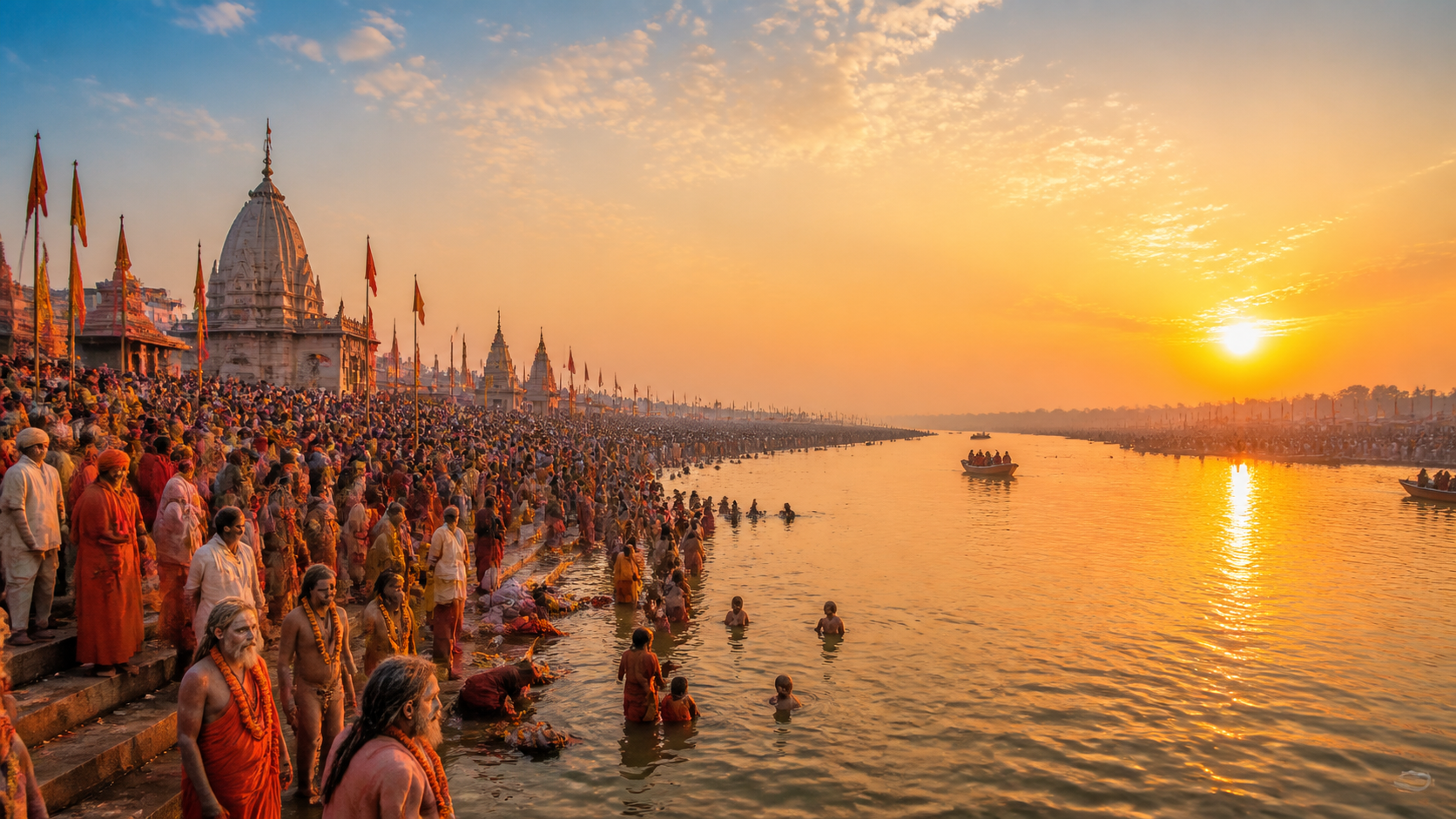
Nashik Kumbh Mela 2027 is expected to be one of the largest religious gatherings in the world. Millions of pilgrims, saints, devotees, tourists, photographers, and spiritual seekers will travel to Nashik, Panchavati, Ramkund, Trimbakeshwar, and the Godavari River ghats to participate in sacred rituals, holy bathing ceremonies, and spiritual activities.
For many visitors, especially first-time pilgrims, the scale of the Kumbh Mela can be overwhelming. Long walking distances, large crowds, changing weather conditions, transportation restrictions, and special arrangements during Shahi Snan and Amrit Snan dates require proper preparation and planning.
This guide explains the most important Dos and Don'ts for Nashik Kumbh Mela 2027. Whether you are visiting Ramkund for a holy dip, exploring Panchavati, seeking blessings at Trimbakeshwar Temple, or experiencing the spiritual atmosphere of the Godavari River, these guidelines will help you enjoy a safer, smoother, and more meaningful pilgrimage.
Why Preparation Matters During Nashik Kumbh Mela
Unlike a regular temple visit, Nashik Kumbh Mela involves millions of people gathering within a relatively small geographic area. During major bathing dates, especially Shahi Snan and Amrit Snan ceremonies, locations such as Ramkund and the Godavari Ghats can become extremely crowded.
Pilgrims often walk several kilometers between temples, ghats, accommodation areas, transportation hubs, and Akhara camps. Visitors who arrive without preparation may face avoidable difficulties such as dehydration, transportation delays, confusion regarding routes, and accommodation problems.
Proper planning allows pilgrims to focus on the spiritual purpose of the festival rather than worrying about logistics and safety concerns.
Common Mistakes First-Time Pilgrims Make
- Booking accommodation too late.
- Arriving on major bathing dates without a travel plan.
- Carrying excessive luggage.
- Ignoring official crowd management instructions.
- Not carrying identification documents.
- Walking long distances without water.
- Visiting Ramkund during peak hours without preparation.
- Relying entirely on mobile networks during crowded periods.
Learning from these common mistakes can help first-time visitors enjoy a safer and more comfortable experience during Nashik Kumbh Mela 2027.
Important Dos for Nashik Kumbh Mela 2027
1. Do Plan Accommodation Well in Advance
Accommodation demand increases dramatically during Nashik Kumbh Mela, especially near Panchavati, Ramkund, and Trimbakeshwar. Hotels, guesthouses, dharamshalas, and temporary camps often fill up months before major bathing dates.
Pilgrims planning to attend Shahi Snan or Amrit Snan should reserve accommodation as early as possible. Staying near your primary places of interest can reduce travel time and make your pilgrimage much more convenient.
2. Do Carry Valid Identification and Travel Documents
Always carry government-issued identification such as Aadhaar Card, Passport, Voter ID, or Driving License. Keep digital copies stored on your phone and physical copies in a separate location.
Pilgrims should also carry hotel confirmations, transportation tickets, and emergency contact information. These documents can be invaluable if unexpected situations arise.
3. Do Stay Hydrated Throughout Your Pilgrimage
Many pilgrims underestimate the physical demands of Nashik Kumbh Mela. Walking between Ramkund, Panchavati, Trimbakeshwar, temples, and transportation points can quickly lead to fatigue.
Carry a reusable water bottle, drink clean water regularly, and consider carrying ORS packets. Proper hydration can prevent exhaustion, headaches, and heat-related health issues.
4. Do Follow Official Routes and Crowd Management Instructions
Authorities implement designated walking routes, barricades, and crowd management systems to ensure the safety of millions of visitors.
Follow official instructions at all times, especially near Ramkund, Godavari Ghats, Panchavati, and major Akhara procession routes. These measures are designed to protect pilgrims and prevent overcrowding.
5. Do Respect Religious Traditions and Sacred Sites
Nashik Kumbh Mela is one of the holiest events in Hinduism. Visitors should maintain respectful behavior while visiting Ramkund, Trimbakeshwar Temple, Panchavati, Akharas, and the Godavari River ghats.
Dress modestly, follow temple rules, respect saints and sadhus, and avoid behavior that may disturb religious ceremonies or fellow devotees. Respecting local traditions helps preserve the spiritual atmosphere of the Kumbh Mela.
6. Do Arrive Early on Shahi Snan and Amrit Snan Days
The most important bathing dates of Nashik Kumbh Mela attract the largest crowds. Ramkund, Godavari Ghats, Panchavati, and major Akhara routes become extremely busy from the early hours of the morning.
Pilgrims who arrive late often face longer queues, traffic restrictions, and limited access to preferred bathing locations. Early arrival allows visitors to move more comfortably and experience the spiritual atmosphere without unnecessary stress.
If you plan to witness Shahi Snan processions or take part in sacred bathing rituals, prepare your route, carry essentials, and leave your accommodation much earlier than usual.
7. Do Keep Emergency Contacts and Meeting Points Ready
Mobile networks can become congested when millions of people gather in the same area. During peak periods, phone calls and internet services may not work reliably.
Families and groups should decide on a meeting point before entering crowded areas such as Ramkund, Panchavati, or major procession routes.
Save important contact numbers including local police, medical facilities, accommodation details, and family members on both your phone and a written note.
8. Do Wear Comfortable Clothing and Footwear
Nashik Kumbh Mela involves a significant amount of walking. Visitors often travel between temples, ghats, transportation hubs, Akhara camps, food areas, and accommodation locations throughout the day.
Comfortable footwear can prevent blisters and fatigue, while lightweight clothing can make long hours outdoors much easier.
Pilgrims attending holy bathing ceremonies should also carry an extra set of clothing and a small towel for convenience.
9. Do Use Official Transportation and Information Sources
Traffic management plans, road closures, shuttle services, and special transportation arrangements are often implemented during Kumbh Mela.
Following official announcements can save significant time and help visitors avoid unnecessary confusion.
Whenever possible, use official transportation services and trusted information sources instead of relying on rumors or unverified advice.
10. Do Help Keep Nashik and the Godavari River Clean
The Godavari River is the spiritual heart of Nashik Kumbh Mela and one of the most sacred rivers in Hindu tradition.
Every pilgrim shares responsibility for preserving the cleanliness of Ramkund, Panchavati, Godavari Ghats, temples, and public spaces.
Use designated waste bins, avoid single-use plastics whenever possible, and never throw garbage into the river or around sacred sites.
Important Don'ts for Nashik Kumbh Mela 2027
Just as there are important things pilgrims should do during Nashik Kumbh Mela, there are also several mistakes that should be avoided. These precautions can help protect your safety and improve your overall pilgrimage experience.
1. Don't Push Through Crowds
Crowd movement during major bathing dates can become slow and highly regulated. Attempting to push forward or move against the flow of people increases risk for everyone nearby.
Remain patient, follow designated routes, and move with the crowd rather than against it.
2. Don't Enter Restricted Areas
Security personnel establish restricted zones around sensitive areas, procession routes, and infrastructure locations.
These restrictions exist for safety reasons. Never attempt to bypass barricades or enter closed areas without authorization.
3. Don't Carry Excessive Cash or Expensive Valuables
Large gatherings naturally increase the risk of lost belongings and petty theft.
Avoid carrying expensive jewelry, unnecessary valuables, or large amounts of cash while visiting Ramkund, Panchavati, Trimbakeshwar, or crowded Kumbh locations.
Use secure bags and keep important items close to you at all times.
4. Don't Ignore Signs of Dehydration or Exhaustion
Many pilgrims become so focused on rituals and sightseeing that they forget to rest, eat, or drink enough water.
Dizziness, weakness, headaches, and fatigue should never be ignored. Seek shade, rest, and medical assistance if necessary.
5. Don't Leave Children Unattended
Children can easily become separated from their families in crowded areas, especially during major bathing dates and processions.
Keep children close at all times and ensure they know basic contact information in case of separation.
6. Don't Trust Unofficial Guides or Rumors
During major religious gatherings, misinformation can spread quickly. Pilgrims may hear rumors about route changes, bathing schedules, accommodation availability, or special access points.
Always rely on official announcements, local administration updates, police advisories, and trusted information sources. Avoid making travel decisions based on unverified social media posts or hearsay.
7. Don't Pollute the Godavari River
The Godavari River is one of the holiest rivers in Hinduism and the spiritual center of Nashik Kumbh Mela. Every pilgrim shares the responsibility of protecting this sacred water body.
Avoid throwing plastic bottles, food wrappers, clothing, flowers wrapped in plastic, or other waste into the river. Use designated waste collection areas whenever possible.
8. Don't Photograph Saints Without Permission
Many visitors are fascinated by Naga Sadhus, Akhara processions, spiritual leaders, and religious ceremonies during Kumbh Mela.
However, not every saint or devotee wishes to be photographed. Always seek permission before taking close-up photographs and remain respectful during religious rituals and prayers.
9. Don't Travel Without a Daily Plan
Nashik Kumbh Mela covers multiple locations including Ramkund, Panchavati, Trimbakeshwar, Akhara camps, temples, and Godavari Ghats.
Pilgrims who begin their day without a plan often waste time, experience unnecessary travel difficulties, and miss important events.
10. Don't Ignore Official Safety Announcements
Authorities regularly issue advisories regarding crowd management, weather conditions, transportation changes, and emergency situations.
Paying attention to these announcements can help visitors avoid disruptions and ensure a safer pilgrimage experience.
Safety Tips for Major Kumbh Mela Locations
Different pilgrimage locations present different challenges. Understanding what to expect at each site can help pilgrims prepare more effectively.
Ramkund Safety Guidelines
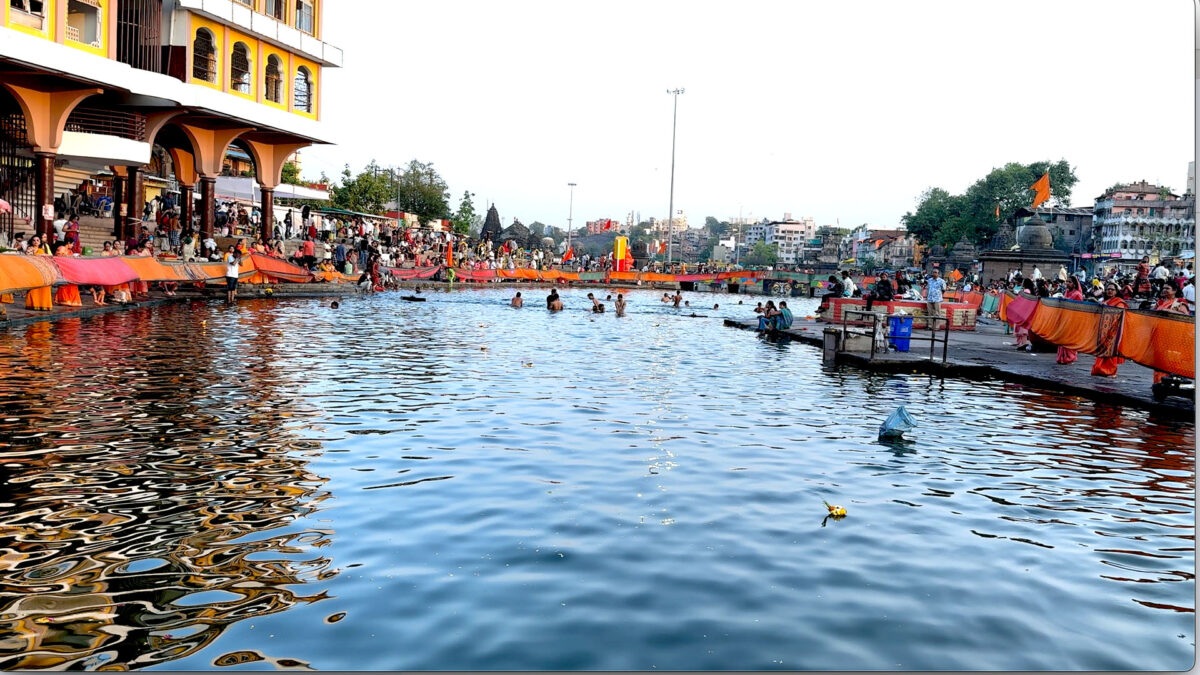
Ramkund is one of the most sacred locations in Nashik and serves as a major focal point during Kumbh Mela. Thousands of pilgrims gather here daily for holy bathing, prayers, and religious ceremonies.
During Shahi Snan and Amrit Snan dates, crowd density around Ramkund can increase significantly. Visitors should remain patient, follow designated entry and exit routes, and avoid rushing toward bathing areas.
Elderly pilgrims and families with children may find early morning visits more comfortable than peak hours later in the day.
Panchavati Travel and Safety Advice
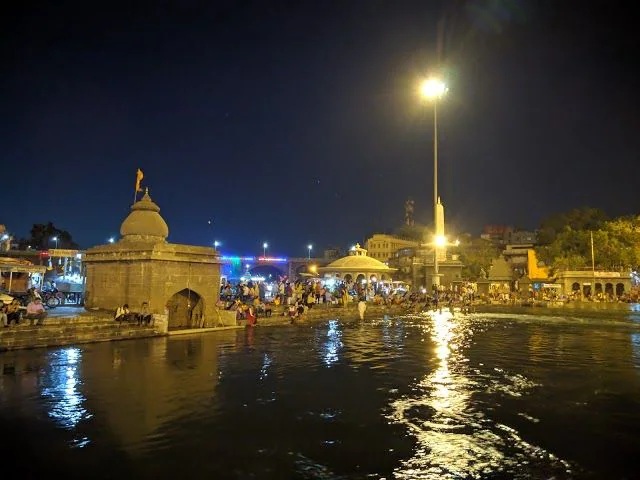
Panchavati is among the most important religious areas in Nashik and is closely associated with the Ramayana. It contains several key pilgrimage sites including Ramkund, Kalaram Temple, and Sita Gufa.
Narrow lanes and heavy foot traffic can create congestion during major Kumbh dates. Visitors should wear comfortable footwear and allow extra time when moving between attractions.
Families should establish clear meeting points because mobile networks may become unreliable during peak crowd periods.
Godavari River Bathing Guidelines
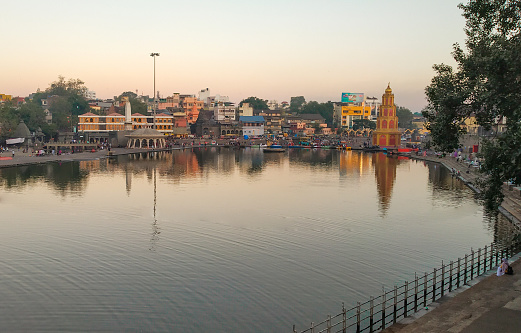
Taking a holy dip in the Godavari River is one of the most important spiritual activities during Nashik Kumbh Mela. Pilgrims believe the sacred waters help cleanse sins and bring spiritual blessings.
Always use designated bathing areas approved by authorities. Avoid pushing, jumping into crowded sections, or entering unsafe areas along the riverbank.
Keep children under close supervision and avoid carrying mobile phones, wallets, or valuables into the water whenever possible.
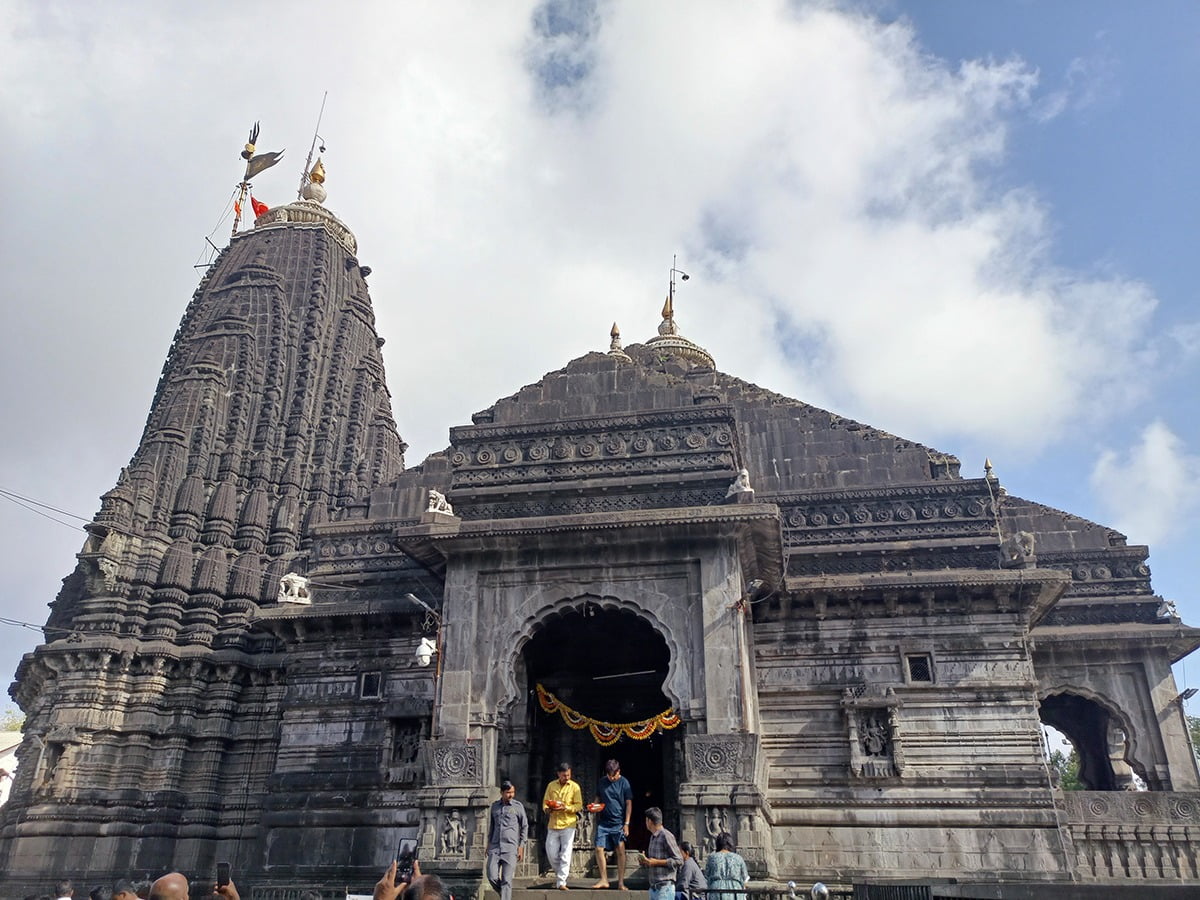
Trimbakeshwar Pilgrimage Tips
Trimbakeshwar Temple is one of the twelve Jyotirlingas of Lord Shiva and one of the most important pilgrimage destinations associated with Nashik Kumbh Mela.
Visitors should expect longer queues during weekends, festivals, and major bathing dates. Carry water, remain patient, and follow temple management instructions.
Pilgrims planning to visit Brahmagiri Hills or Kushavarta Kund should wear suitable footwear and allow sufficient time for travel.
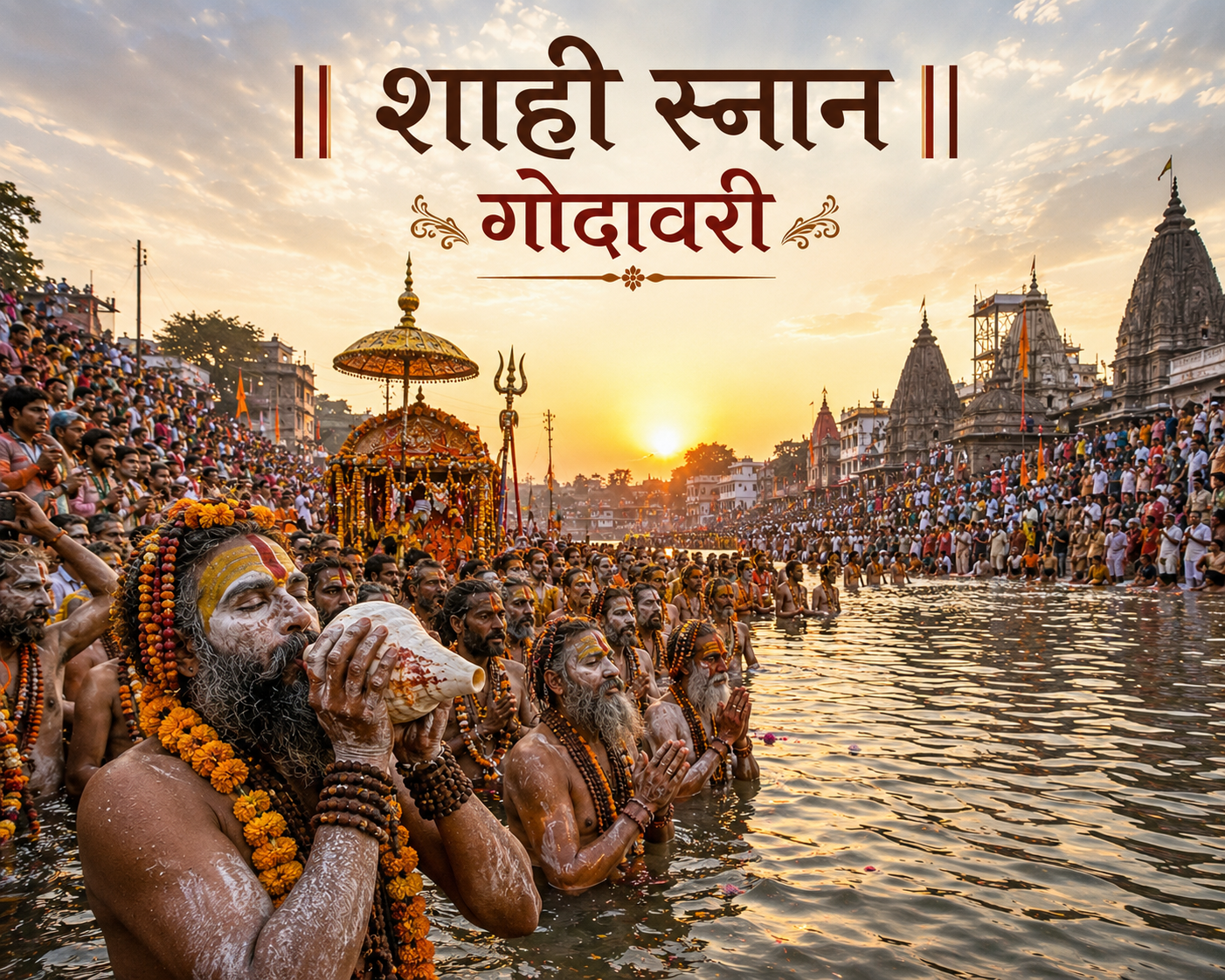
Shahi Snan and Amrit Snan Safety Advice
Shahi Snan and Amrit Snan are the most significant events of Nashik Kumbh Mela. These sacred bathing ceremonies attract massive crowds, saints, Akharas, and devotees from across India.
Arrive early, carry only essential belongings, stay hydrated, and follow all crowd-management instructions. Avoid attempting to move against crowd flow during processions.
Pilgrims interested in viewing Akhara processions should choose viewing locations carefully and remain behind designated safety barriers.
Special Safety Advice for Women, Families, Senior Citizens, and First-Time Pilgrims
Every pilgrim experiences Nashik Kumbh Mela differently. While general safety guidelines apply to everyone, certain groups may benefit from additional preparation and planning. The following recommendations can help ensure a safer and more comfortable pilgrimage experience.
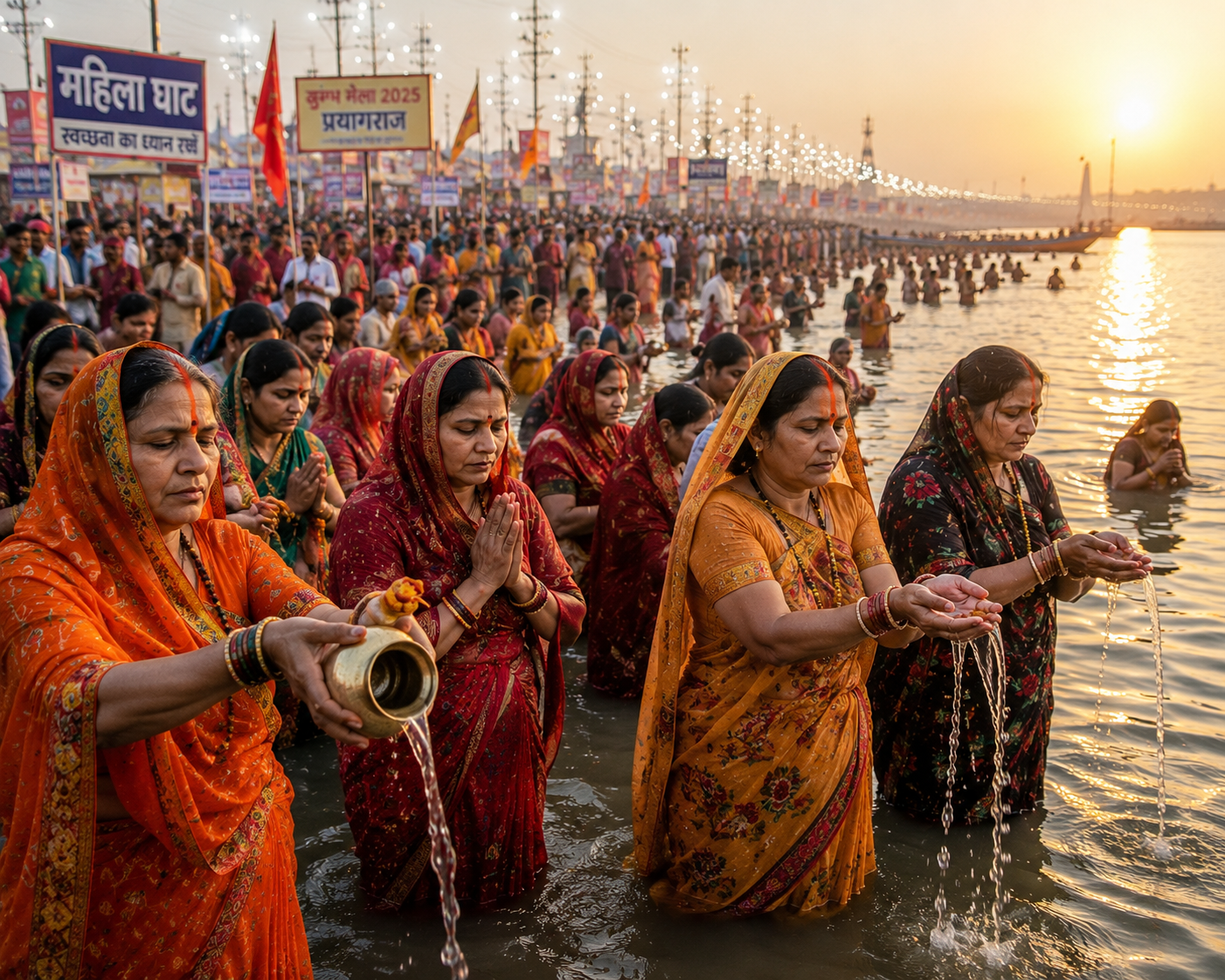
Safety Tips for Women Pilgrims
Women play an important role in the spiritual traditions of Kumbh Mela and thousands of women pilgrims are expected to participate in Nashik Kumbh Mela 2027. While the event is generally well-organized and heavily monitored, additional preparation can improve comfort and confidence.
Whenever possible, travel with family members or trusted companions, especially during major bathing dates. Save emergency contact numbers, identify police assistance points, and remain aware of your surroundings in crowded locations.
Women visiting Ramkund, Panchavati, Trimbakeshwar, and Godavari Ghats should also carry essential items such as water, mobile chargers, medicines, and identification documents.
Read our complete Women Pilgrim Guide for detailed recommendations.
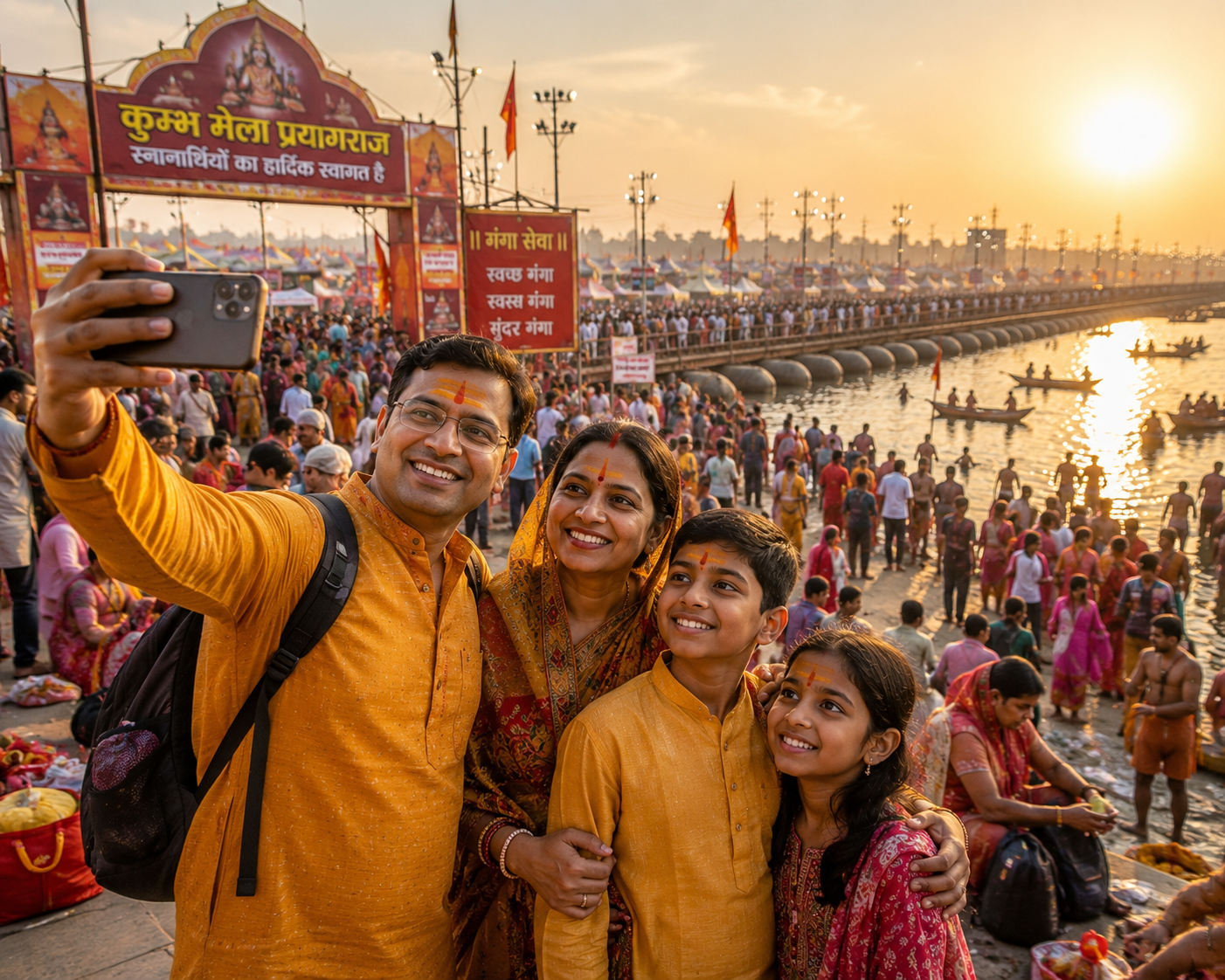
Advice for Families Visiting Nashik Kumbh Mela
Families visiting Nashik Kumbh Mela should prepare in advance for crowd conditions, transportation challenges, and long walking distances.
Before entering crowded areas, establish a family meeting point. Choose a landmark that remains easy to identify even during peak crowd conditions.
Children should carry a card containing their name, guardian contact information, accommodation details, and emergency phone numbers.
Families should also schedule regular rest breaks, especially when visiting multiple locations such as Ramkund, Panchavati, Godavari Ghats, and Trimbakeshwar in a single day.
Read our complete Family Guide for more information.
First-Time Pilgrim Advice
First-time visitors often underestimate the scale of Nashik Kumbh Mela. What appears manageable on a map may involve several kilometers of walking, large crowds, and extended waiting periods.
Plan each day carefully. Focus on a limited number of locations instead of attempting to visit every temple, ghat, and attraction in a single day.
Pilgrims who plan realistically usually enjoy a more peaceful and spiritually rewarding experience.
Read our complete First-Time Pilgrim Guide.
What to Do If You Get Lost During Kumbh Mela
Large crowds can occasionally cause visitors to lose their bearings, especially around Ramkund, Panchavati, and major procession routes.
If you become separated from your group, remain calm and avoid wandering aimlessly through crowded areas.
- Move to a safe and less crowded location.
- Contact family members if possible.
- Proceed to the nearest police assistance point.
- Use your pre-decided family meeting point.
- Seek help from official volunteers.
What to Do If a Family Member Gets Separated
Family separation is one of the most common concerns during large gatherings. Fortunately, Kumbh administrations typically establish support systems to help reunite visitors.
Immediately attempt communication through phone calls or messages. If communication fails, proceed to the nearest official assistance center or police help desk.
Children should be taught basic contact information before arriving at the Kumbh Mela.
Emergency Preparedness Checklist
- Government-issued Photo ID
- Emergency Contact Numbers
- Hotel Reservation Details
- Power Bank
- Mobile Charger
- Water Bottle
- Basic Medicines
- Small First Aid Kit
- Extra Clothing
- Comfortable Footwear
- Travel Tickets
- Family Meeting Point Information
Frequently Asked Questions About Nashik Kumbh Mela 2027
1. What should I avoid during Nashik Kumbh Mela?
Avoid pushing through crowds, entering restricted areas, carrying excessive valuables, following rumors, and ignoring official safety instructions.
2. Is Nashik Kumbh Mela safe for first-time visitors?
Yes. Proper planning, accommodation booking, hydration, and following official guidelines can help first-time pilgrims enjoy a safe and meaningful experience.
3. Is Nashik Kumbh Mela safe for women?
Yes. Women pilgrims regularly attend Kumbh Mela. Following standard safety precautions and using official transportation services can improve comfort and security.
4. What documents should pilgrims carry?
Carry Aadhaar Card, Passport, Voter ID, hotel reservations, transportation tickets, and emergency contact information.
5. Is bathing in the Godavari River compulsory?
No. Pilgrims may choose whether or not to participate in holy bathing rituals according to personal preference and health conditions.
6. What is the safest time to visit Ramkund?
Early morning hours on non-peak days are generally more comfortable and less crowded than major Shahi Snan and Amrit Snan dates.
7. How much walking should I expect?
Pilgrims often walk several kilometers each day between temples, ghats, Akharas, transportation hubs, and accommodation areas.
8. What should I carry for Shahi Snan?
Carry water, identification, essential medicines, a small towel, extra clothing, and only necessary belongings.
9. Is Trimbakeshwar crowded during Kumbh Mela?
Yes. Trimbakeshwar experiences a significant increase in pilgrims, especially during important bathing dates and weekends.
10. Can I photograph Naga Sadhus?
Always seek permission before taking close-up photographs of Naga Sadhus, saints, or religious ceremonies.
11. What should I do if I lose my belongings?
Report the incident to the nearest police assistance center and keep copies of important documents separately from originals.
12. How early should I arrive on Amrit Snan dates?
Pilgrims should arrive several hours earlier than usual due to increased crowd density and traffic restrictions.
13. Are medical facilities available during Kumbh Mela?
Authorities typically establish temporary medical centers, emergency services, and health support facilities across major pilgrimage zones.
14. What is the best footwear for Kumbh Mela?
Comfortable walking shoes or sandals suitable for long distances are recommended.
15. Can senior citizens attend Kumbh Mela comfortably?
Yes. Proper planning, medical preparation, and avoiding peak crowd periods can significantly improve the experience.
16. Which area becomes most crowded during Kumbh Mela?
Ramkund, Godavari Ghats, Panchavati, and major Akhara procession routes usually witness the highest crowd density.
17. Is Panchavati worth visiting during Kumbh Mela?
Yes. Panchavati is one of Nashik's most important religious areas and contains several major pilgrimage attractions.
18. Can children participate in Kumbh Mela rituals?
Yes. Families regularly bring children to Kumbh Mela, though extra supervision is recommended in crowded areas.
19. How can I prepare for my first Kumbh Mela visit?
Plan accommodation early, understand transportation routes, stay informed about official announcements, and carry essential supplies.
20. What is the most important safety tip for pilgrims?
Stay patient, remain aware of your surroundings, and follow official instructions at all times.
Final Thoughts
Nashik Kumbh Mela 2027 will be one of the most significant religious gatherings of the decade, bringing together millions of devotees, saints, pilgrims, and visitors from across India and around the world. Whether you plan to visit Ramkund, Panchavati, Trimbakeshwar Temple, Kushavarta Kund, or the sacred Godavari River ghats, proper preparation can greatly improve your experience.
By following the dos and don'ts outlined in this guide, pilgrims can reduce risks, avoid common mistakes, and focus on the spiritual significance of the festival rather than logistical challenges.
Respect local traditions, support cleanliness efforts, stay informed through official announcements, and help create a safe and welcoming environment for fellow devotees. A well-planned pilgrimage can become a deeply meaningful spiritual journey and a memorable part of your Nashik Kumbh Mela experience.