Temple Guide
Kalaram Temple Nashik Guide for Kumbh Mela 2027
Kalaram Temple is one of the most important temples in Nashik and one of the most sacred destinations in the Panchavati region. Dedicated to Lord Rama, the temple is renowned for its rare black stone idol of Shri Ram, remarkable architecture, deep Ramayana connections, and historical significance.
Located near Ramkund and the Godavari River, Kalaram Temple forms an essential part of the Panchavati pilgrimage circuit. Pilgrims often combine their visit with Ramkund, Kapaleshwar Temple, Sita Gufa, and other sacred sites associated with Lord Rama's exile.
During Nashik Kumbh Mela 2027, the temple is expected to receive a significant number of pilgrims seeking blessings and exploring the spiritual heritage of Panchavati.
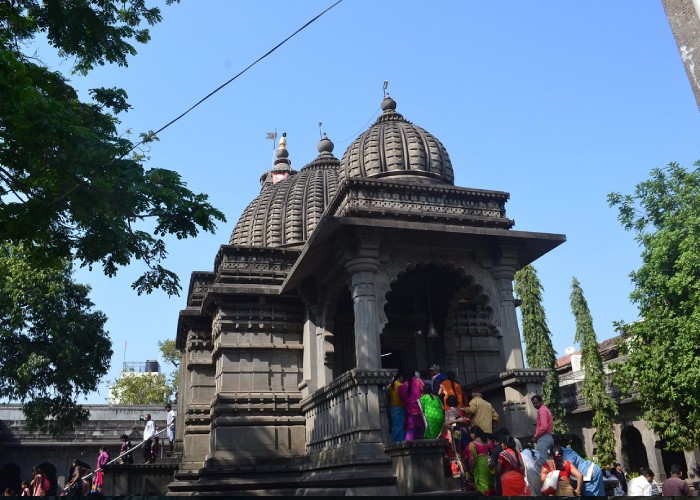
Quick Facts About Kalaram Temple
- 📍 Location: Panchavati, Nashik
- 🕉️ Main Deity: Lord Rama
- ⭐ Famous For: Black idol of Lord Rama
- 🏛️ Architecture: Black basalt stone temple
- 🌊 Nearby Sacred Site: Ramkund
- 🚩 Major Festival: Ram Navami
- 📖 Ramayana Connection: Panchavati exile period
- 🙏 Entry Fee: Free
What is Kalaram Temple?
Kalaram Temple is a historic Hindu temple dedicated to Lord Rama. The temple derives its name from the black stone idol of Lord Rama housed within the sanctum. The word Kala means black, while Ram refers to Lord Rama.
Today, the temple is regarded as one of the most important Rama temples in Maharashtra and remains a major spiritual attraction for pilgrims visiting Nashik.
Why is Kalaram Temple Famous?
Kalaram Temple is famous because of its unique black idol of Lord Rama, strong Ramayana associations, magnificent stone architecture, and its role in India's social reform history through the Kalaram Temple Satyagraha.
The temple is also one of the most visited destinations in Panchavati and serves as an important stop for pilgrims exploring the sacred geography of Nashik.
History of Kalaram Temple
The present Kalaram Temple was commissioned by Sardar Rangrao Odhekar during the eighteenth century. According to local traditions, he received a divine vision revealing a black idol of Lord Rama hidden in the Godavari River.
Following the discovery of the idol, a grand temple was constructed using black basalt stone. The structure eventually became one of the most important centers of Rama worship in Maharashtra.
Over the centuries, the temple has remained a major religious destination and continues to attract devotees from across India.
Kalaram Temple and Panchavati
Panchavati is one of the holiest regions in Nashik and occupies a special place in Hindu tradition. According to the Ramayana, Lord Rama, Sita, and Lakshmana spent part of their exile in this sacred region along the banks of the Godavari River.
Kalaram Temple stands at the center of this sacred landscape and serves as one of the most important pilgrimage destinations associated with the Ramayana.
Kalaram Temple and the Ramayana
Panchavati is traditionally associated with several major events from the Ramayana, including the residence of Lord Rama, Sita, and Lakshmana during exile.
The region is also connected with the Shurpanakha episode, the abduction of Sita by Ravana, and the beginning of Lord Rama's search for her.
These associations give Kalaram Temple immense spiritual significance and make it one of the most important Ramayana-related pilgrimage destinations in India.
Kalaram Temple Architecture
Kalaram Temple is widely admired for its impressive stone architecture and exceptional craftsmanship. Built primarily from black basalt stone, the temple stands as one of the finest examples of traditional temple architecture in Maharashtra.
The temple complex features massive stone walls, a grand entrance, intricately carved pillars, and a towering shikhara that dominates the skyline of Panchavati. Its architectural beauty attracts not only devotees but also history enthusiasts and architecture lovers.
The use of black stone throughout the structure complements the black idol of Lord Rama and contributes to the temple's unique identity.
The 84 Pillars and Their Symbolism
One of the most fascinating features of Kalaram Temple is its collection of 84 stone pillars. These pillars are often associated with the Hindu concept of 84 lakh life forms through which a soul passes before attaining human birth.
For many devotees, the pillars symbolize the spiritual journey toward liberation and remind visitors of the importance of righteous living and devotion.
The Significance of the 14 Steps
Before reaching the sanctum, devotees ascend fourteen stone steps. These steps are widely believed to symbolize the fourteen years of exile endured by Lord Rama, Sita, and Lakshmana.
The symbolism serves as a reminder of sacrifice, perseverance, duty, and faith, all of which are central themes of the Ramayana.
Ambedkar and the Kalaram Temple Satyagraha
Kalaram Temple occupies a unique place in modern Indian history because of the Kalaram Temple Satyagraha led by Dr. B. R. Ambedkar in 1930.
The movement sought equal access to temples and religious institutions. Thousands of people participated, making it one of the most significant social reform movements in Maharashtra during the twentieth century.
Today, Kalaram Temple is remembered not only as a sacred religious site but also as an important landmark in India's journey toward social equality.
Importance of Kalaram Temple During Nashik Kumbh Mela 2027
Nashik Kumbh Mela is one of the largest religious gatherings in the world. Millions of pilgrims visit Nashik and Trimbakeshwar during the festival to participate in sacred rituals and holy bathing ceremonies.
Because Kalaram Temple is located in Panchavati near Ramkund, it becomes an important pilgrimage destination during the Kumbh period. Many devotees visit the temple before or after performing rituals on the banks of the Godavari River.
The temple's connection with Lord Rama and the Ramayana makes it a meaningful stop for pilgrims seeking a deeper spiritual experience during Nashik Kumbh Mela 2027.
Darshan Timings and Entry Information
- 🕒 Opening Time: 6:00 AM
- 🕒 Closing Time: 10:00 PM
- 🙏 Daily Aarti and Worship
- 🎟️ Entry Fee: Free
- 📸 Photography: Allowed in outer premises
How to Reach Kalaram Temple
By Road
The temple is easily accessible from all parts of Nashik through taxis, auto-rickshaws, local buses, and private vehicles.
By Train
Nashik Road Railway Station is approximately 10 kilometers from Kalaram Temple.
By Air
Nashik Airport is the nearest airport serving pilgrims and tourists visiting Panchavati.
Nearby Attractions
Frequently Asked Questions
Why is Kalaram Temple famous?
Kalaram Temple is famous for its black stone idol of Lord Rama, Ramayana significance, Panchavati location, and historical importance.
Why is the idol black?
The temple derives its name from the black stone idol of Lord Rama that is enshrined within the sanctum.
Where is Kalaram Temple located?
The temple is located in Panchavati, Nashik, near Ramkund and the Godavari River.
Sources and References
- • Maharashtra Tourism
- • Temple Historical References
- • Panchavati Religious Sources
- • Ramayana Traditions Associated with Nashik