Temple Guide
Sita Gufa Nashik Guide for Kumbh Mela 2027
Sita Gufa is one of the most sacred and fascinating religious sites in Panchavati, Nashik. Closely associated with the Ramayana, this ancient cave is believed to be linked to the period when Lord Rama, Mata Sita, and Lakshmana lived in Panchavati during their exile. Today, Sita Gufa attracts thousands of devotees, pilgrims, and tourists who visit Nashik to explore its spiritual heritage and connections to one of Hinduism's most revered epics.
Located near Ramkund and Kalaram Temple, Sita Gufa forms an important part of the Panchavati pilgrimage circuit. Visitors exploring sacred sites connected to Nashik Kumbh Mela, the Godavari River, and the Ramayana often include this cave shrine in their spiritual journey.
During Nashik Kumbh Mela 2027, Sita Gufa is expected to receive a large number of pilgrims seeking to experience the places associated with Lord Rama and Mata Sita. This guide covers the history, significance, darshan information, travel tips, and Kumbh relevance of one of Nashik's most famous religious landmarks.
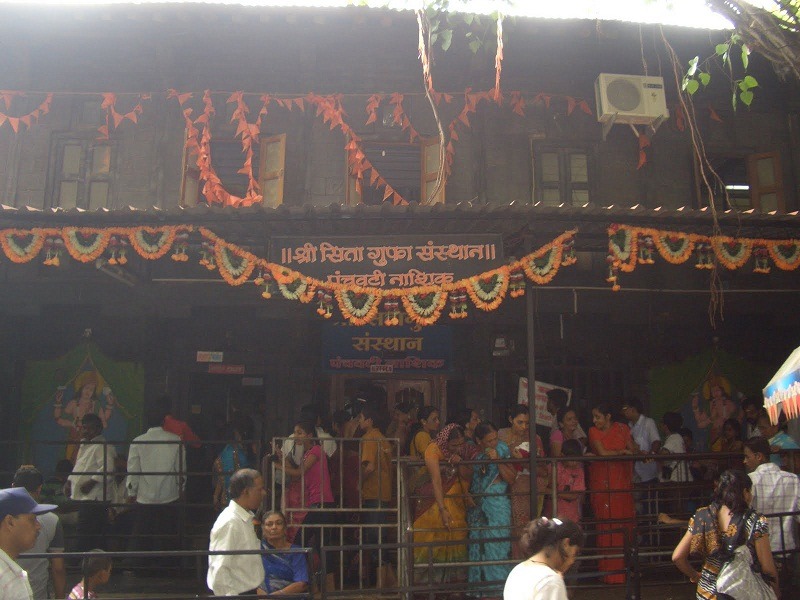
Quick Facts About Sita Gufa
- 📍 Location: Panchavati, Nashik, Maharashtra
- 🕉️ Associated With: Mata Sita, Lord Rama and Lakshmana
- 📖 Famous For: Ramayana Connection
- 🌳 Nearby Landmark: Five Sacred Banyan Trees
- 🌊 Near: Ramkund and Godavari River
- 🚩 Kumbh Importance: Panchavati Pilgrimage Destination
- 🎟️ Entry Fee: Minimal or Free Depending on Management Policies
- 🙏 Major Visitors: Pilgrims, Devotees and Ramayana Enthusiasts
What is Sita Gufa?
Sita Gufa, also known as Sita Gumpha, is a narrow cave shrine located in the sacred Panchavati area of Nashik. The cave is deeply connected with traditions associated with the Ramayana and is believed to be one of the places where Mata Sita spent time during the exile period of Lord Rama and Lakshmana.
The cave contains idols of Lord Rama, Mata Sita, and Lakshmana, along with a Shivling that local traditions associate with the worship practices of Mata Sita. Despite its relatively small size, the cave remains one of the most visited pilgrimage destinations in Nashik.
Because of its spiritual importance, historical traditions, and location within Panchavati, Sita Gufa plays a significant role in religious tourism and pilgrimage activities connected with Nashik Kumbh Mela and the broader Ramayana circuit.
Why is Sita Gufa Famous?
Sita Gufa is famous because it is traditionally associated with some of the most important events of the Ramayana. Many devotees believe the cave is linked to the period when Lord Rama, Mata Sita, and Lakshmana lived in Panchavati during their exile.
According to local traditions, the area surrounding Sita Gufa is also connected with the famous episode involving the golden deer and the subsequent abduction of Mata Sita by Ravana. These associations have made the cave one of the most revered Ramayana-related sites in Maharashtra.
Today, pilgrims visit the cave not only for worship but also to experience a location that keeps alive the stories and traditions of one of India's greatest epics.
History of Sita Gufa
The historical significance of Sita Gufa is closely tied to the religious traditions of Panchavati and the Ramayana. While historians debate the exact age of the cave, generations of devotees have regarded it as a sacred place connected with the exile period of Lord Rama and Mata Sita.
Over centuries, the cave became an important pilgrimage destination. Local traditions, temple practices, and oral narratives helped preserve its spiritual significance and transformed it into one of Nashik's most recognized religious landmarks.
Today, Sita Gufa continues to attract visitors from across India and abroad who wish to explore the places associated with the Ramayana while experiencing the sacred atmosphere of Panchavati.
Sita Gufa and the Ramayana
The strongest connection of Sita Gufa is with the Ramayana. According to traditional beliefs, Panchavati served as an important location during the exile of Lord Rama, Mata Sita, and Lakshmana. Many of the events described in the Aranya Kanda of the Ramayana are associated with this region.
Pilgrims believe that Mata Sita spent time in and around this cave and regularly worshipped the Shivling located inside. These traditions have been passed down through generations and remain central to the spiritual identity of Sita Gufa.
Because of this connection, Sita Gufa is considered one of the most important Ramayana-related sites in Nashik and a key destination for devotees following the Ramayana pilgrimage route.
The Golden Deer and Ravana Story
One of the most famous traditions associated with Sita Gufa involves the episode of the golden deer. According to the Ramayana, Mata Sita became fascinated by a golden deer that appeared near Panchavati. Lord Rama went in pursuit of the deer, while Lakshmana was later called away after hearing a deceptive cry.
During this sequence of events, Ravana is believed to have approached disguised as a sage before abducting Mata Sita. While different traditions describe the exact location differently, Sita Gufa remains strongly associated with this chapter of the Ramayana.
These stories continue to inspire devotion among pilgrims and contribute to the cave's enduring spiritual significance.
Why is Panchavati Called Panchavati?
The name Panchavati is derived from two Sanskrit words: "Pancha" meaning five and "Vati" referring to a grove or group of trees. According to Hindu traditions, the area was once home to five sacred banyan trees, which gave Panchavati its name.
Panchavati occupies a special place in the Ramayana because it is believed to be the location where Lord Rama, Mata Sita, and Lakshmana lived during a significant portion of their exile. Today, the region remains one of the most important pilgrimage destinations in Nashik and plays a central role during Nashik Kumbh Mela.
Visitors exploring Sita Gufa often continue their journey through Panchavati to discover other sacred sites including Ramkund, Kalaram Temple, Kapaleshwar Temple, and the ghats along the Godavari River.
The Five Sacred Banyan Trees of Panchavati
The five sacred banyan trees are deeply connected with the identity of Panchavati and the traditions of the Ramayana. For centuries, devotees have regarded these trees as symbols of the region's spiritual heritage.
Religious traditions suggest that these trees witnessed many important events associated with Lord Rama, Mata Sita, and Lakshmana. Although the landscape has changed over time, the concept of Panchavati as the land of five banyan trees continues to hold immense religious significance.
This connection makes Sita Gufa more than just a cave. It forms part of a much larger sacred landscape that attracts pilgrims throughout the year and especially during Nashik Kumbh Mela.
What is Inside Sita Gufa?
One of the most interesting aspects of Sita Gufa is the experience of entering the cave itself. Visitors descend through a narrow entrance and move through confined passages before reaching the sacred area inside.
Within the cave, devotees can see idols of Lord Rama, Mata Sita, and Lakshmana. A Shivling located inside the cave is also worshipped and is traditionally associated with Mata Sita's devotion to Lord Shiva.
Because of the narrow pathways, visitors should proceed carefully. The unique cave setting creates a spiritual atmosphere that distinguishes Sita Gufa from many other temples in Nashik.
Spiritual Significance of Sita Gufa
Sita Gufa holds deep spiritual significance for devotees who revere the Ramayana and its teachings. The cave symbolizes devotion, faith, sacrifice, and perseverance through adversity.
For many pilgrims, visiting Sita Gufa provides an opportunity to connect with the stories of Lord Rama and Mata Sita while reflecting on the values represented throughout the Ramayana.
The peaceful environment of the cave encourages prayer, meditation, and spiritual contemplation, making it one of the most meaningful religious destinations in Panchavati.
Sita Gufa During Nashik Kumbh Mela 2027
During Nashik Kumbh Mela 2027, millions of pilgrims are expected to visit Nashik and Trimbakeshwar for one of the largest religious gatherings in the world. While Ramkund and the Shahi Snan ceremonies remain central attractions, many visitors also explore the sacred sites of Panchavati.
Sita Gufa forms an important stop on the Panchavati pilgrimage route and is frequently visited alongside Ramkund, Kalaram Temple, Kapaleshwar Temple, and Naroshankar Temple. Pilgrims interested in the Ramayana often consider Sita Gufa an essential destination during their spiritual journey.
As Nashik Kumbh Mela approaches, Sita Gufa is expected to attract increasing attention from devotees seeking to experience the religious and cultural heritage of Panchavati and the Godavari River region.
Darshan Timings and Entry Information
- 🕒 Opening Time: 6:15 AM
- 🕒 Closing Time: 8:30 PM
- 🎟️ Entry Fee: Nominal fee may apply
- 🙏 Best Time to Visit: Early morning or evening
- 📸 Photography: Follow local temple guidelines
How to Reach Sita Gufa
By Road
Sita Gufa is easily accessible through local buses, taxis, auto-rickshaws, and private vehicles from all parts of Nashik.
By Train
Nashik Road Railway Station is the nearest major railway station and offers excellent connectivity to cities across India.
By Air
Nashik Airport provides convenient access for domestic travelers visiting Panchavati and nearby pilgrimage destinations.
Nearby Attractions
Frequently Asked Questions
Why is Sita Gufa famous?
Sita Gufa is famous for its connection with the Ramayana and the traditions associated with Mata Sita, Lord Rama, and Lakshmana during their exile in Panchavati.
Where is Sita Gufa located?
Sita Gufa is located in Panchavati, Nashik, near Ramkund and several other important pilgrimage destinations.
What is inside Sita Gufa?
The cave contains idols of Lord Rama, Mata Sita, Lakshmana, and a Shivling that is revered by devotees.
Is Sita Gufa important during Nashik Kumbh Mela?
Yes. Many pilgrims visiting Nashik Kumbh Mela include Sita Gufa as part of their Panchavati pilgrimage route.
Sources and References
- • Nashik Tourism Resources
- • Panchavati and Ramayana Heritage References
- • Religious and Pilgrimage Information Sources
- • Temple and Cultural History References