Temple Guide
Naroshankar Temple Nashik Guide for Kumbh Mela 2027
Naroshankar Temple is one of the most historically significant Shiva temples in Nashik. Located on the banks of the sacred Godavari River in Panchavati, this eighteenth-century temple is famous for its magnificent stone architecture, spiritual atmosphere, and the legendary Naroshankar Bell. While many visitors come to Nashik for Ramkund, Kalaram Temple, and Trimbakeshwar, Naroshankar Temple remains one of the city's most fascinating heritage landmarks.
Built during the Peshwa era, the temple combines religious importance with remarkable architectural craftsmanship. The structure showcases influences from multiple architectural traditions and has become an important part of Nashik's cultural identity. For devotees of Lord Shiva, history enthusiasts, and pilgrims visiting Nashik Kumbh Mela 2027, Naroshankar Temple offers a unique blend of spirituality and heritage.
This comprehensive guide covers the history, architecture, Naroshankar Bell, Panchavati significance, darshan information, and pilgrimage relevance of one of Nashik's most remarkable temples.
Quick Facts About Naroshankar Temple
- 📍 Location: Panchavati, Nashik, Maharashtra
- 🕉️ Main Deity: Lord Shiva
- 🏛️ Built: 1747 AD
- ⭐ Famous For: Naroshankar Bell
- 🌊 Situated On: Godavari River Bank
- 🎉 Major Festival: Mahashivratri
- 🚩 Kumbh Importance: Panchavati pilgrimage destination
- 🙏 Entry Fee: Free
What is Naroshankar Temple?
Naroshankar Temple is an ancient Shiva temple situated near the Godavari River in the sacred Panchavati region of Nashik. The temple was commissioned by Sardar Naroshankar Rajebahaddur in 1747 AD and remains one of the finest surviving examples of Peshwa-era temple architecture in Maharashtra.
Although Nashik is home to many famous temples, Naroshankar Temple stands apart because of its architectural beauty and its association with the iconic Naroshankar Bell. The temple attracts pilgrims, architecture enthusiasts, photographers, and history lovers throughout the year.
Its location in Panchavati further enhances its importance, placing it within one of the most sacred religious landscapes associated with the Ramayana and Nashik Kumbh Mela.
Why is Naroshankar Temple Famous?
Naroshankar Temple is famous for four major reasons: its historic Naroshankar Bell, its remarkable eighteenth-century architecture, its location on the banks of the Godavari River, and its role within the sacred Panchavati pilgrimage circuit.
Unlike many temples that are known solely for religious significance, Naroshankar Temple combines history, architecture, spirituality, and cultural heritage. This unique combination makes it one of the most interesting places to visit in Nashik.
The temple also becomes increasingly important during Nashik Kumbh Mela, when thousands of pilgrims explore the sacred sites of Panchavati and the Godavari River.
History of Naroshankar Temple
Naroshankar Temple was built in 1747 AD by Sardar Naroshankar Rajebahaddur, an influential figure during the Peshwa period. The temple reflects the prosperity, artistic skill, and religious devotion that characterized the Maratha era.
Over the centuries, the temple has become an important spiritual center for devotees of Lord Shiva. Despite the passage of time, much of the original architectural character has been preserved, allowing visitors to appreciate the craftsmanship of eighteenth-century temple builders.
Today, Naroshankar Temple serves as both a place of worship and a historical monument that offers insight into the cultural heritage of Nashik.
Who Was Sardar Naroshankar Rajebahaddur?
Sardar Naroshankar Rajebahaddur was a respected Maratha noble associated with the Peshwa administration. His contribution to Nashik's religious and architectural heritage remains visible through the temple that bears his name.
By commissioning the construction of this temple, Naroshankar helped create one of the most enduring landmarks in Panchavati. His legacy continues to be remembered by devotees and historians who visit the temple today.
The temple stands as a reminder of the artistic and spiritual achievements of the Maratha period.
The Famous Naroshankar Bell (Naroshankarachi Ghanta)
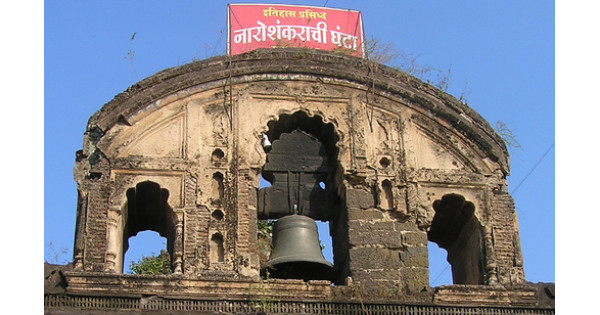
The Naroshankar Bell, popularly known as Naroshankarachi Ghanta, is the most famous feature of the temple and one of the most recognizable historical symbols in Nashik. Many people know the temple primarily because of this legendary bell.
Historical traditions state that the bell was brought to Maharashtra after the Maratha victory over the Portuguese at Vasai. The bell eventually found its place at Naroshankar Temple and became closely associated with the identity of the temple itself.
Over time, the bell evolved into a symbol of Maratha strength, cultural heritage, and regional pride. Even today, the Naroshankar Bell remains one of the most discussed attractions connected with Nashik's historical landscape.
Architecture of Naroshankar Temple
Naroshankar Temple is widely regarded as one of the finest architectural landmarks in Nashik. The structure reflects the artistic excellence of the Peshwa era and showcases influences from multiple architectural traditions. Historians often highlight its unique blend of Maratha, Rajasthani, Gujarati, and Hemadpanthi design elements.
The temple is built primarily from stone and stands on an elevated platform overlooking the Godavari River. Detailed carvings, ornamental motifs, decorative stonework, and sculpted pillars demonstrate the remarkable craftsmanship of eighteenth-century artisans.
Visitors frequently admire the intricate carvings of peacocks, floral patterns, elephants, and mythological designs that decorate different parts of the structure. These artistic elements make Naroshankar Temple an important heritage monument as well as a religious destination.
Unique Architectural Features
- 🏛️ Elevated stone platform overlooking the Godavari River.
- 🦚 Decorative peacock carvings and floral stonework.
- 🐘 Elephant motifs symbolizing strength and protection.
- 🏹 Strong Maratha and Peshwa architectural influence.
- 🛕 Rajput-style chhatris and ornate decorative elements.
- 🎨 Detailed stone craftsmanship rarely seen in modern temples.
Naroshankar Temple and the Godavari River
One of the most significant aspects of Naroshankar Temple is its location on the banks of the sacred Godavari River. The Godavari is often referred to as the Ganga of South India and plays a central role in Nashik's religious identity.
Pilgrims visiting Ramkund, Panchavati, and other sacred ghats often include Naroshankar Temple in their itinerary. The riverfront setting creates a peaceful atmosphere and enhances the temple's spiritual appeal.
During sunrise and sunset, the temple and river together create one of the most beautiful spiritual landscapes in Nashik, attracting devotees, photographers, and travelers alike.
Naroshankar Temple and Panchavati
Naroshankar Temple is located within the sacred Panchavati region, one of the most important religious areas in Nashik. According to Hindu tradition, Panchavati is closely associated with the Ramayana and the exile period of Lord Rama, Sita, and Lakshmana.
Because of its location, the temple forms part of a larger pilgrimage circuit that includes Ramkund, Kalaram Temple, Kapaleshwar Temple, Sita Gufa, and other sacred destinations.
Visitors exploring Panchavati often discover Naroshankar Temple as one of the region's most architecturally impressive and historically significant landmarks.
Spiritual Significance of Naroshankar Temple
Dedicated to Lord Shiva, Naroshankar Temple serves as an important place of worship for devotees seeking blessings, spiritual reflection, and inner peace. The calm atmosphere of the temple makes it especially suitable for meditation and prayer.
Throughout the year, devotees visit the temple to offer prayers, perform rituals, and participate in religious ceremonies. During Mahashivratri and Shravan month, the temple experiences increased devotional activity.
The combination of spiritual importance, riverside setting, and historical heritage gives Naroshankar Temple a unique position among Nashik's sacred destinations.
Importance During Nashik Kumbh Mela 2027
Nashik Kumbh Mela is one of the largest religious gatherings in the world and attracts millions of pilgrims from India and abroad. While Ramkund and Trimbakeshwar receive the highest number of visitors, Naroshankar Temple remains an important stop for pilgrims exploring the sacred geography of Panchavati.
Because the temple is located close to Ramkund and the Godavari River, many pilgrims visit it before or after participating in Kumbh-related rituals and holy bathing ceremonies.
For visitors seeking a deeper understanding of Nashik's spiritual and historical heritage, Naroshankar Temple offers an enriching experience during Kumbh Mela 2027.
Darshan Timings and Entry Information
- 🕒 Opening Time: 6:00 AM
- 🕒 Closing Time: 8:00 PM
- 🙏 Daily Worship and Shiva Rituals
- 🎟️ Entry Fee: Free
- 📸 Photography: Restricted in certain temple areas
How to Reach Naroshankar Temple
By Road
The temple is easily accessible from all parts of Nashik through taxis, buses, auto-rickshaws, and private vehicles.
By Train
Nashik Road Railway Station is approximately 10 kilometers away and offers excellent connectivity to major Indian cities.
By Air
Nashik Airport serves domestic travelers and provides convenient access to Panchavati and nearby pilgrimage sites.
Nearby Attractions
Frequently Asked Questions
Why is Naroshankar Temple famous?
Naroshankar Temple is famous for its historic Naroshankar Bell, unique architecture, Godavari River location, and rich Maratha-era heritage.
What is the Naroshankar Bell?
The Naroshankar Bell is a historic bell associated with the Maratha victory over the Portuguese and remains one of Nashik's most recognizable heritage symbols.
Where is Naroshankar Temple located?
The temple is located in Panchavati, Nashik, on the banks of the Godavari River.
Is there an entry fee?
No. Entry to Naroshankar Temple is completely free for visitors and devotees.
Sources and References
- • Maharashtra Tourism Resources
- • Historical References Related to Naroshankar Temple
- • Panchavati and Godavari River Heritage Sources
- • Temple Architecture and Maratha History References