Government Budget & Infrastructure Guide
Nashik Kumbh Mela Budget 2027: ₹22,425.39 Crore Development Plan, Government Projects & Infrastructure
The Nashik–Trimbakeshwar Simhastha Kumbh Mela 2027 is being supported by a large government development programme covering roads, water supply, sanitation, Sadhugram, ghats, transport, security, digital systems and other infrastructure required for one of India's largest religious gatherings.
Updated: August 28, 2026 • This guide is updated as new government approvals and official project information become available.

Quick answer: Nashik Kumbh Mela budget 2027
The approved Nashik–Trimbakeshwar Simhastha Kumbh Mela 2027 development plan is ₹22,425.39 crore.
This is a broad development plan covering roads, water supply, sanitation, ghats, Sadhugram, security, transport, electricity, digital infrastructure and other civic works. The separate ₹2,267 crore Sadhugram land-acquisition approval is one component of the wider preparations, not the total Kumbh budget.
For the latest official approvals, project status and government decisions, always check the Government of Maharashtra and Nashik–Trimbakeshwar Kumbh Mela Authority sources linked below.
Nashik Kumbh Mela 2027 Budget at a Glance
| Overall Development Plan | ₹22,425.39 crore |
|---|---|
| Major Event | Nashik–Trimbakeshwar Simhastha Kumbh Mela 2027 |
| Development Plan Approval | Apex Committee meeting, 13 March 2026 |
| Sadhugram Land Acquisition | ₹2,267 crore approved for permanent acquisition of 283 acres |
| Nodal Authority | Nashik–Trimbakeshwar Kumbh Mela Authority (NTKMA) |
| Major Development Areas | Roads, bridges, water, sanitation, ghats, security, transport, Sadhugram, electricity and digital infrastructure |
What Is the Nashik Kumbh Mela 2027 Budget?
The Government of Maharashtra has approved a comprehensive development plan of approximately ₹22,425.39 crore for preparations connected with the 2027 Simhastha Kumbh Mela in Nashik and Trimbakeshwar.
The figure represents a broad development programme rather than the cost of a single project. Kumbh preparations involve numerous departments and implementing agencies working on infrastructure required in Nashik city, Trimbakeshwar and surrounding pilgrimage and transportation corridors.
The development programme includes projects associated with roads, water supply, sanitation, river and ghat infrastructure, transport facilities, public safety, electricity, digital connectivity and other civic facilities required to manage the large movement of pilgrims during the Kumbh period.
Important: ₹22,425 Crore and ₹2,267 Crore Are Not the Same Budget
Different Kumbh-related financial figures appear in government announcements and news reports because they refer to different projects, approvals and funding stages.
The ₹22,425.39 crore figure refers to the wider development plan, while the ₹2,267 crore approval relates specifically to the permanent acquisition of 283 acres of land for Sadhugram in Tapovan. The latter should therefore not be described as the entire Nashik Kumbh Mela budget.
We have covered that individual decision separately in our ₹2,267 crore Nashik Kumbh Mela approval update.
Why Does Nashik Kumbh Mela Require Such Large Infrastructure Investment?
Kumbh Mela is not simply a religious event held at one location. For Nashik and Trimbakeshwar, preparations involve managing pilgrim movement across cities, highways, railway connections, ghats, temples, temporary settlements and major public spaces.
Panchavati, Ramkund and the Godavari ghats form important pilgrimage areas in Nashik, while Trimbakeshwar is another major centre of Simhastha activity. Large numbers of visitors also move between Nashik and surrounding religious destinations.
This creates requirements extending far beyond the bathing ghats: traffic management, drinking water, sewage systems, solid waste management, policing, emergency response, public transport, accommodation areas, electricity and long-term urban infrastructure all become part of Kumbh planning.
Related Nashik Kumbh Mela 2027 Information
Where Is the Nashik Kumbh Mela 2027 Development Money Being Used?
Official administrative approvals published by the Nashik–Trimbakeshwar Kumbh Mela Authority show that preparations span a wide range of civic and pilgrimage infrastructure. The following are some of the major areas.
1. Roads, Highways and Bridges
Road development is one of the most important parts of the Kumbh infrastructure programme because pilgrims must move between Nashik, Panchavati, Ramkund, Trimbakeshwar, Sadhugram, railway stations, bus facilities and major highways.
Government approvals include road and bridge works, while separate highway projects are also being undertaken to improve regional connectivity.
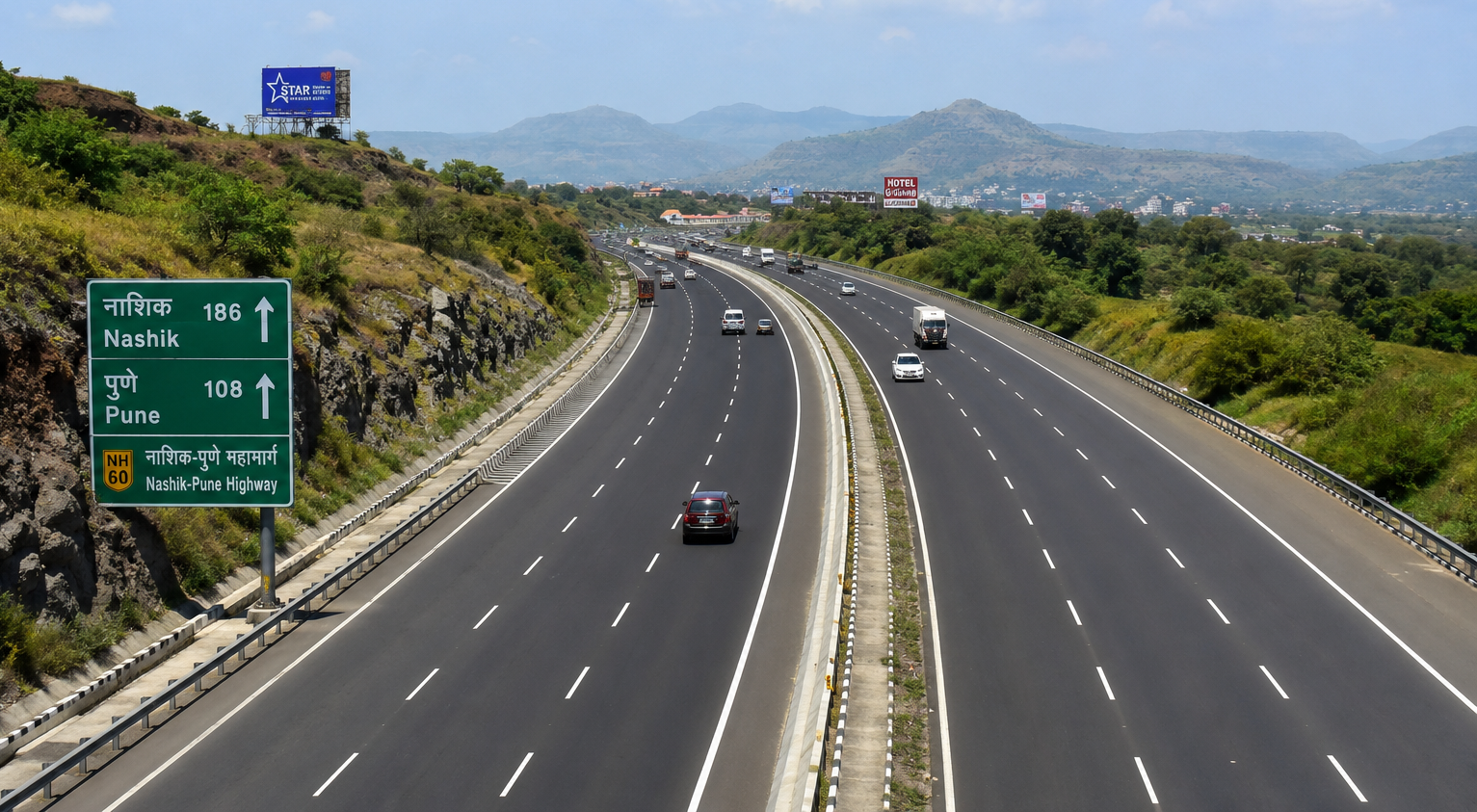
One significant project involves the widening of the Dwarka–Datta Mandir section of the Nashik–Pune highway. You can follow road projects in our Nashik–Pune Highway and Kumbh infrastructure update.
2. Sadhugram Development and Land Acquisition
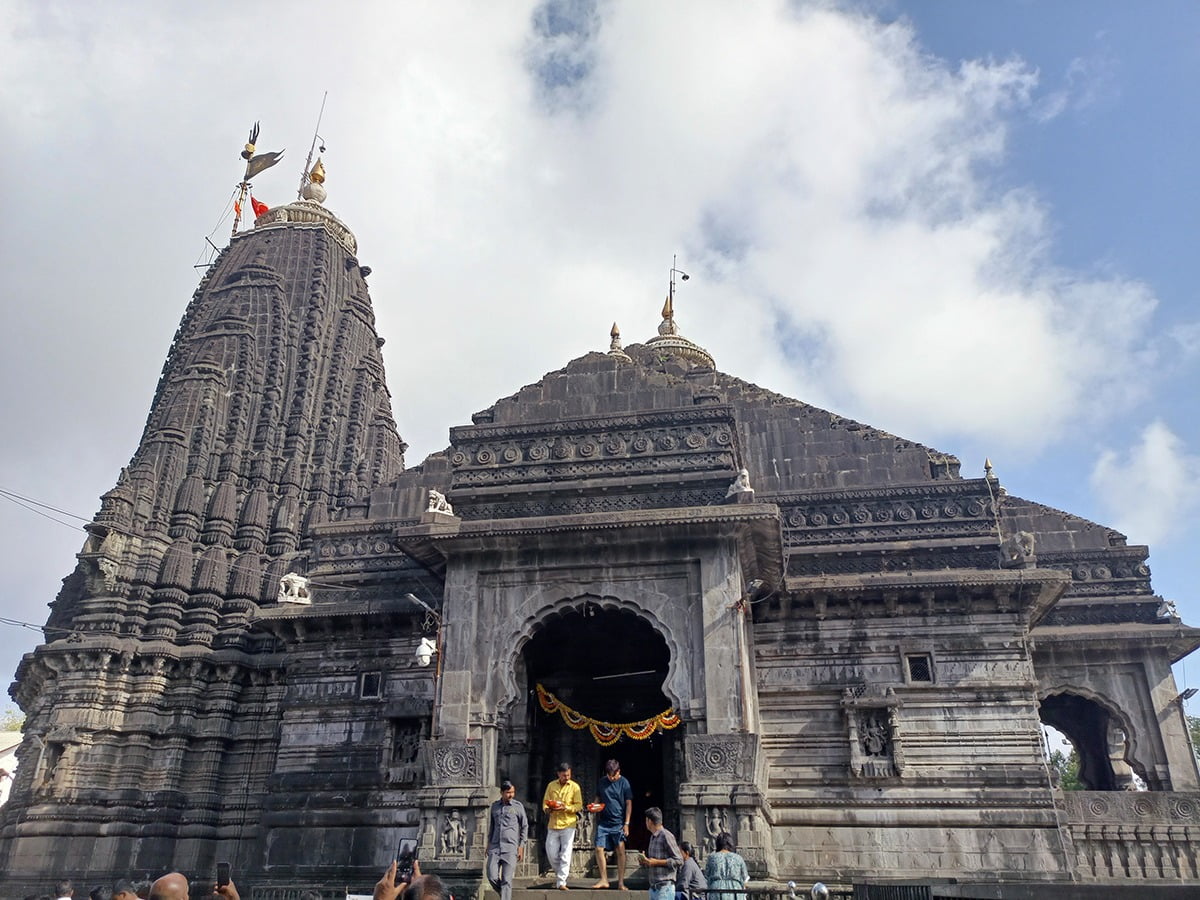
Sadhugram is a major component of Simhastha planning because it provides designated space for sadhus, akhadas and associated religious establishments during the Kumbh Mela.
In 2026, the Maharashtra government approved ₹2,267 crore for permanent acquisition of 283 acres in Tapovan. This is in addition to land already acquired by Nashik Municipal Corporation.
Sadhugram planning also requires internal roads, water, sanitation, electricity, medical facilities, security and other temporary and permanent infrastructure necessary to support a large religious settlement.
3. Water Supply and Pilgrim Facilities
Water infrastructure is another major part of preparations. Official administrative approvals include new water tanks, enhanced pumping capacity, water-treatment infrastructure, gravity pipelines and other water-supply works.
Separate works have also been approved for water-grid infrastructure in the Trimbakeshwar area and pumping arrangements connected with the proposed Sadhugram.
4. Sanitation, Sewerage and Solid Waste Management
Managing sanitation at a mass religious gathering requires significant temporary and permanent infrastructure. Official approvals include solid-waste management, augmented water supply, and expanded sewerage and wastewater-disposal systems.
These investments are important not only for pilgrims during Kumbh Mela but also for protecting the Godavari River and strengthening Nashik and Trimbakeshwar's long-term civic infrastructure.
Learn more about the river and its religious importance in our Godavari River guide.
5. Ghats, Ramkund and Riverfront Infrastructure
Nashik's ghats are central to the religious experience of Kumbh Mela. Infrastructure planning therefore includes work connected with existing ghats as well as additional facilities required to accommodate pilgrim movement.
Administrative approvals include repair works for old ghats in Nashik and development connected with new ghat infrastructure.
Ramkund in Panchavati remains one of Nashik's most important sacred locations. Visitors can understand the site in detail through our complete Ramkund Nashik guide and Panchavati Kumbh Mela guide.
6. Security, CCTV and Crowd Management
Public safety is another dedicated spending area. Government administrative approvals include CCTV infrastructure and strengthening essential infrastructure for Nashik City Police.
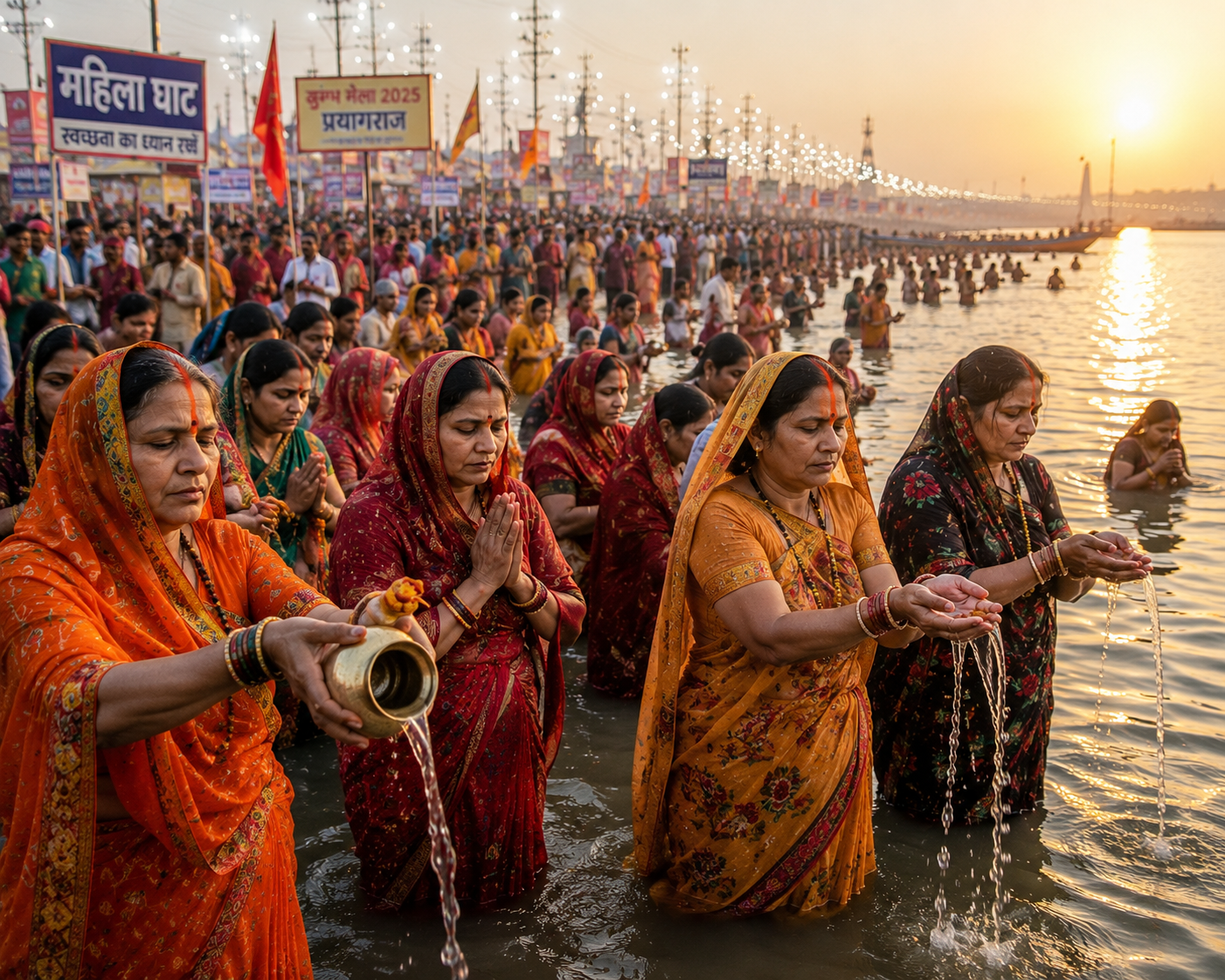
Crowd management becomes particularly important during major religious bathing periods, when movement around Panchavati, Ramkund, Trimbakeshwar and transportation corridors must be carefully coordinated.
Read our separate Nashik Kumbh Mela crowd management and security guide for visitor-focused information.
7. Fire Safety and Disaster Management
Government approvals also cover firefighting works and specialist disaster-management planning.
These systems are particularly important in temporary accommodation zones, large pilgrim gatherings and high-density movement areas where rapid emergency response is essential.
8. Electricity and Power Infrastructure
Electrical infrastructure is being strengthened to support temporary settlements, public facilities, security systems, lighting, water systems and other Kumbh operations.
Official approvals include electrical sub-station works and projects involving Maharashtra's electricity distribution infrastructure.
9. Digital Infrastructure and Pilgrim Information
The 2027 preparations also include digital infrastructure. Administrative approvals include optical-fibre works as well as development of a Kumbh web portal and Android/iOS mobile application.
Digital systems can support navigation, public information, emergency communication, official announcements and coordination across the Kumbh area.
10. Temples, Kunds and Heritage Conservation
Kumbh development is not limited to modern infrastructure. Government administrative approvals also include restoration works for temples and kunds through the Archaeology Department.
This is particularly significant because Nashik and Trimbakeshwar contain historic temples, sacred water bodies and pilgrimage sites that form part of the cultural landscape of Simhastha Kumbh Mela.
Visitors planning to explore the religious sites can also read our Trimbakeshwar Temple guide.
Transport Investment for Millions of Kumbh Visitors
Transport planning extends beyond road construction. Visitors will reach Nashik through trains, buses, private vehicles and flights before continuing toward accommodation areas, Panchavati, Ramkund, Trimbakeshwar and other pilgrimage locations.
Our detailed travel guides cover the practical side of reaching Nashik:
Railway Guide
Stations, trains and rail travel planning for Nashik Kumbh.
Road & Bus Guide
Highway routes, buses and road travel information.
Air Travel Guide
Nashik Airport, flights and alternative airports.
Who Manages the Nashik Kumbh Mela Budget and Development Projects?
A dedicated government body, the Nashik–Trimbakeshwar Kumbh Mela Authority (NTKMA), has been established to coordinate planning and implementation for Simhastha Kumbh Mela.
Its responsibilities extend across infrastructure development, sanitation, waste management, security, transport and mobility, digital enablement, pilgrim facilities and coordination between government departments.
The legal and administrative framework also provides mechanisms for budgeting, procurement, project approvals, financial administration and monitoring of Kumbh-related works.
Kumbh Budget Governance
Nashik Kumbh Mela development is not administered as one ordinary municipal project. The government has established a dedicated statutory and administrative structure for planning, financing and coordinating the event.
- Nashik–Trimbakeshwar Kumbh Mela Authority (NTKMA)
- Apex Committee under the Chief Minister
- Ministerial-level coordination
- Dedicated financial administration arrangements
- Committees for specific infrastructure requirements
- Coordination with state, central and local agencies
Special Committee for Highway Land Acquisition
The scale of infrastructure preparation can also be seen in the creation of a dedicated committee for land acquisition required for national highway works connected with the Nashik and Trimbakeshwar Kumbh.
A Maharashtra Public Works Department circular dated 3 July 2025 states that the committee was formed following discussions on road improvements connecting Nashik and surrounding pilgrimage destinations.
Its purpose is to facilitate time-bound land acquisition required for proposed national highway works. This demonstrates how road development, land acquisition and inter-agency coordination form part of the broader Kumbh infrastructure programme.
Approved Budget vs Proposed Projects: How to Read Kumbh Mela Numbers
One of the biggest sources of confusion around the Nashik Kumbh Mela budget is that several different financial numbers may appear in reports.
| Term | What It Means |
|---|---|
| Proposed | A project or expenditure has been suggested but may not yet have final administrative or financial approval. |
| Approved | The competent authority has approved the proposal or development plan. |
| Administrative Approval | Government approval allowing a defined project to proceed within its approved administrative framework. |
| Tender / Work Order | A later execution stage involving procurement and actual implementation. |
For this reason, Kumbh Nashik Guide does not automatically add every project announcement together and label the result as the "total Kumbh budget." We distinguish between the overall development plan and specific project approvals wherever the available government information allows us to do so.
Will the Infrastructure Remain After Kumbh Mela 2027?
A significant portion of Kumbh-related spending concerns infrastructure that can continue serving Nashik and Trimbakeshwar after the religious gathering ends.
Roads, bridges, water systems, sewerage infrastructure, ghats, electrical systems, police infrastructure and digital networks can provide long-term benefits to residents, pilgrims and tourists. This long-term impact is an important distinction between permanent development and temporary event expenditure.
What Does the Budget Mean for Pilgrims?
For visitors, the practical importance of the Kumbh development plan is not the headline number itself. What matters is whether infrastructure improves safety, accessibility and basic services during the pilgrimage.
- Improved road access and traffic movement
- Better drinking-water infrastructure
- Expanded sanitation and waste-management systems
- Safer and better-maintained ghats
- Improved CCTV and policing infrastructure
- Fire and disaster-management capacity
- Better public information and digital services
- Improved infrastructure around Sadhugram
- Long-term improvements in Nashik and Trimbakeshwar
Explore More Nashik Kumbh Mela 2027 Guides
Understand the festival itself through our complete guide to what Kumbh Mela is.
Learn about one of Nashik's most important pilgrimage areas in our Panchavati Nashik Kumbh Mela guide.
Planning your journey? Visit our complete Nashik Kumbh travel section.
Follow infrastructure developments through our latest Nashik Kumbh Mela updates.
Frequently Asked Questions About Nashik Kumbh Mela 2027 Budget
What is the budget for Nashik Kumbh Mela 2027?
A comprehensive development plan of ₹22,425.39 crore has been approved for Nashik–Trimbakeshwar Simhastha Kumbh Mela 2027. The plan covers numerous infrastructure and civic-development requirements rather than representing one single construction project.
Is ₹2,267 crore the total Kumbh Mela budget?
No. ₹2,267 crore relates specifically to the approved permanent acquisition of 283 acres for Sadhugram in Tapovan. It is one important component of Kumbh preparations, not the entire development plan.
What projects are included in Nashik Kumbh Mela preparations?
Preparations include roads, bridges, water supply, sanitation, sewerage, Sadhugram infrastructure, ghats, CCTV, police infrastructure, electricity, firefighting, disaster management, digital systems, heritage restoration and other pilgrim facilities.
Who manages Nashik Kumbh Mela development?
The Nashik–Trimbakeshwar Kumbh Mela Authority (NTKMA) is the dedicated nodal government authority responsible for coordinating and overseeing preparations for Simhastha Kumbh Mela 2027.
Is money being spent only in Nashik city?
No. Preparations involve both Nashik and Trimbakeshwar, along with transport corridors and supporting infrastructure required for pilgrim movement across the wider Kumbh region.
Will the Kumbh infrastructure benefit Nashik after 2027?
Many projects involve permanent infrastructure such as roads, water supply, sewerage, ghats, electricity and public-safety systems. These can continue serving residents and visitors after the Kumbh Mela concludes.
Official Sources & Further Reading
Guide is based primarily on Government of Maharashtra and Nashik–Trimbakeshwar Kumbh Mela Authority information, supplemented by reported government announcements where necessary.
- PIB / Ministry of Tourism: Maharashtra approves ₹22,425.39 crore Nashik–Trimbakeshwar Kumbh development plan
- NTKMA Acts and Government Resolutions – Divisional Commissioner Office, Nashik
- Simhastha Kumbh Mela Administrative Approvals – NTKMA
- About Nashik–Trimbakeshwar Kumbh Mela Authority
Note: Kumbh Mela infrastructure plans, project costs, funding arrangements and implementation status may change as additional government approvals are issued. Readers should verify time-sensitive project information through official government notifications.